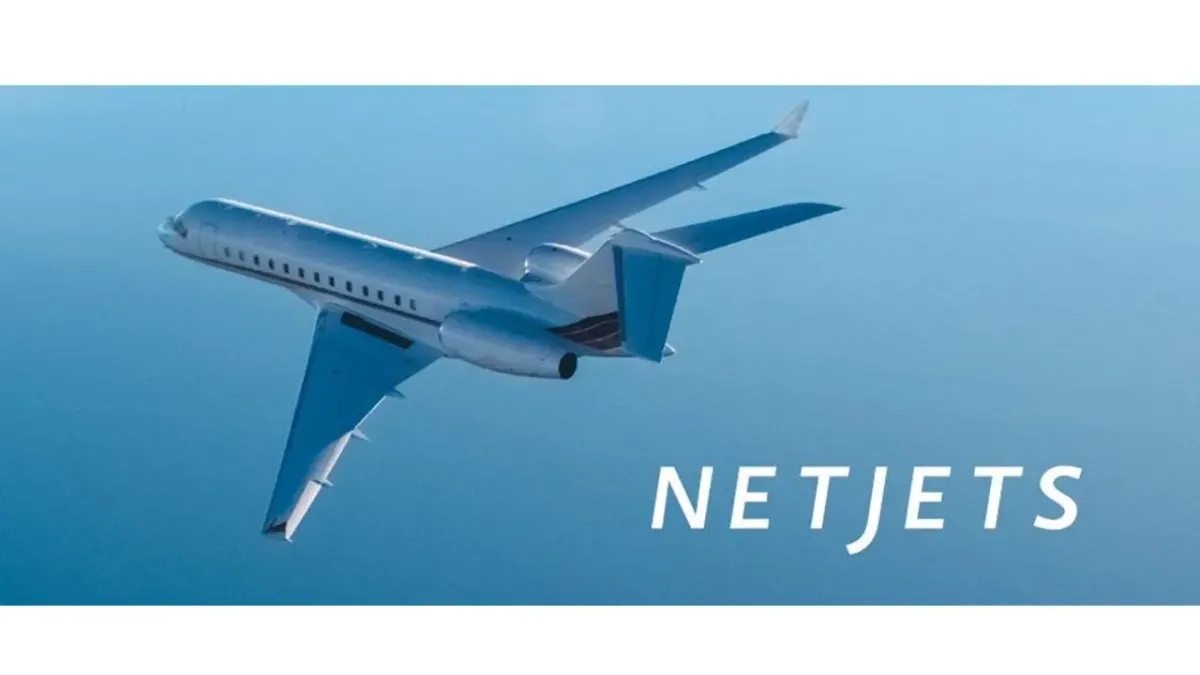


Private jet travel represents not only convenience but also a significant lifestyle choice. Determining whether to buy or charter a private jet involves assessing costs, usage patterns, and long-term financial impacts. This guide outlines crucial points to consider, empowering you to make an informed decision that aligns with your wealth management goals.
Understanding Private Jet Purchase Costs
The price of a private jet varies widely, from approximately $2 million to upwards of $100 million (£1.42 million to £71.3 million), contingent on its size, range, and onboard amenities. Smaller jets suited for short flights and accommodating a handful of passengers fall on the lower end of the spectrum, whereas large aircraft designed for more than 100 people on transcontinental routes command premium pricing.
Beyond the purchase price, ownership entails recurring expenses such as fuel, maintenance, hangar fees, insurance, and crew salaries.
When Buying a Private Jet Makes Sense
Typically, purchasing a private jet is advantageous if you anticipate flying at least 175 hours annually. Owning a jet grants unparalleled control, privacy, and flexibility—attributes that have gained heightened value amid ongoing public health considerations.
Moreover, ownership may enhance family continuity and personal freedom by embedding travel capabilities within your broader lifestyle and wealth infrastructure.
The Chartering Alternative: Flexibility Without Ownership Burdens
If your flights are infrequent, chartering a private jet offers a cost-effective solution without the maintenance and staffing responsibilities associated with ownership. Leading charter services like FusionJets provide seamless access to diverse fleets at competitive rates, ensuring premium service and tailored experiences. Chartering allows you to enjoy the benefits of private aviation without the upfront investment and fixed costs of ownership.
Can a Private Jet Generate Income?
With expert management, some owners offset costs by chartering their aircraft during idle periods. Profitability depends on flight hours, aircraft utilization, and the efficient management of operational expenses:
-
Crew Hiring and Salaries: Employing qualified pilots and attendants is essential but costly.
-
Hangar and Maintenance Fees: Storage and upkeep represent significant ongoing expenditures.
-
Fuel Consumption: Costs vary dramatically depending on aircraft size and flight frequency.
-
Aging Aircraft Costs: Older jets may incur higher maintenance expenses, affecting overall economic viability.
Integrating Wealth Management into Jet Ownership Decisions
Given the complexity and scale of investing in private aviation, engaging a financial advisor who specializes in ultra-high-net-worth wealth management can be invaluable.
Wealth planning services, such as those offered by Robertson Stephens, provide comprehensive roadmaps that align your aviation choices with broader financial objectives, family legacy considerations, and lifestyle aspirations.
Interactive wealth planning tools offer scenario modeling that helps visualize the long-term impact of buying versus chartering a private jet within your overall portfolio.

.webp "ultra-high-net-worth")