
Every day, the coins we casually use to pay for goods and services can, in extraordinary instances, represent immense value, sometimes reaching six- or even seven-figure sums. For ultra-high-net-worth individuals, rare coins offer a compelling blend of history, rarity, and investment potential. These numismatic treasures not only preserve wealth but also provide diversification alongside traditional financial instruments.
The Three Pillars of Rare Coin Categories
Rare coins broadly fall into three classifications, each with its own story and appeal:
-
Ancient Coins: Dive into coins minted during medieval or even earlier historical periods. Their scarcity and the rich narratives encapsulated in their designs bring both cultural and financial significance.
-
Legendary 20th-Century Coins: These coins come with captivating provenance and rare minting histories, often linked to pivotal moments in monetary policy and economic upheaval.
-
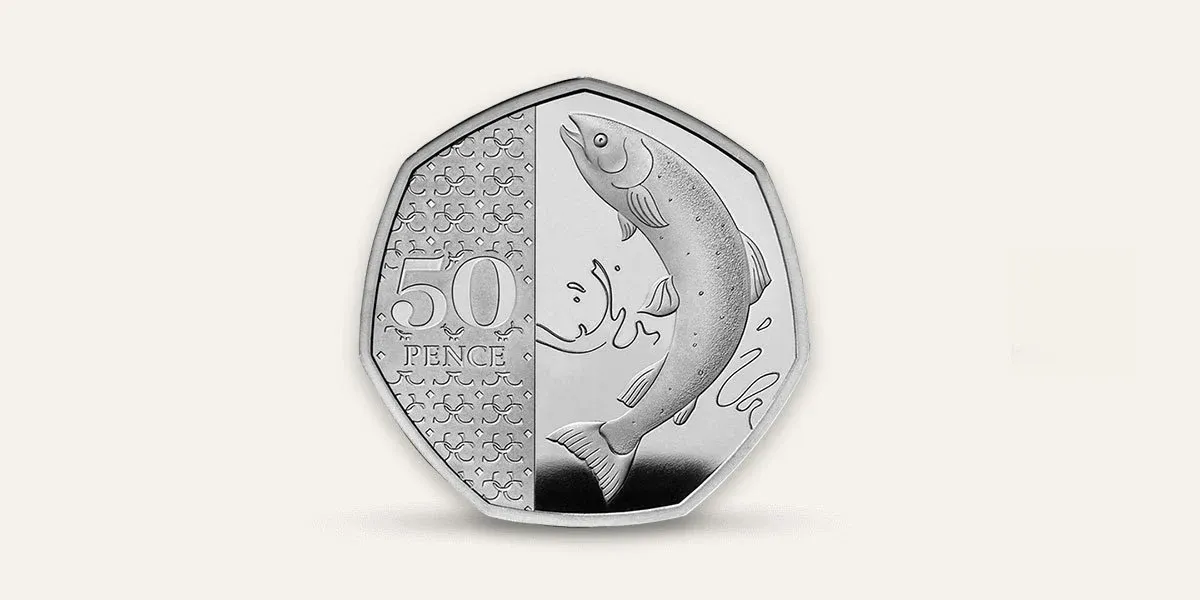
Modern Rarities: Surprisingly, some recently minted coins exhibit rarity due to limited production or unique characteristics, making them coveted by collectors and investors alike.
Spotlight on the Rarest Coins in the World
Let’s explore some of the most exceptional coins attracting attention in 2026:
-
1933 Saint-Gaudens Double Eagle: Regarded widely as the world’s most valuable coin, it achieved a staggering $18.9 million at auction. Although thousands were struck, nearly all were ordered melted down during the Great Depression, leaving only a precious few.
-
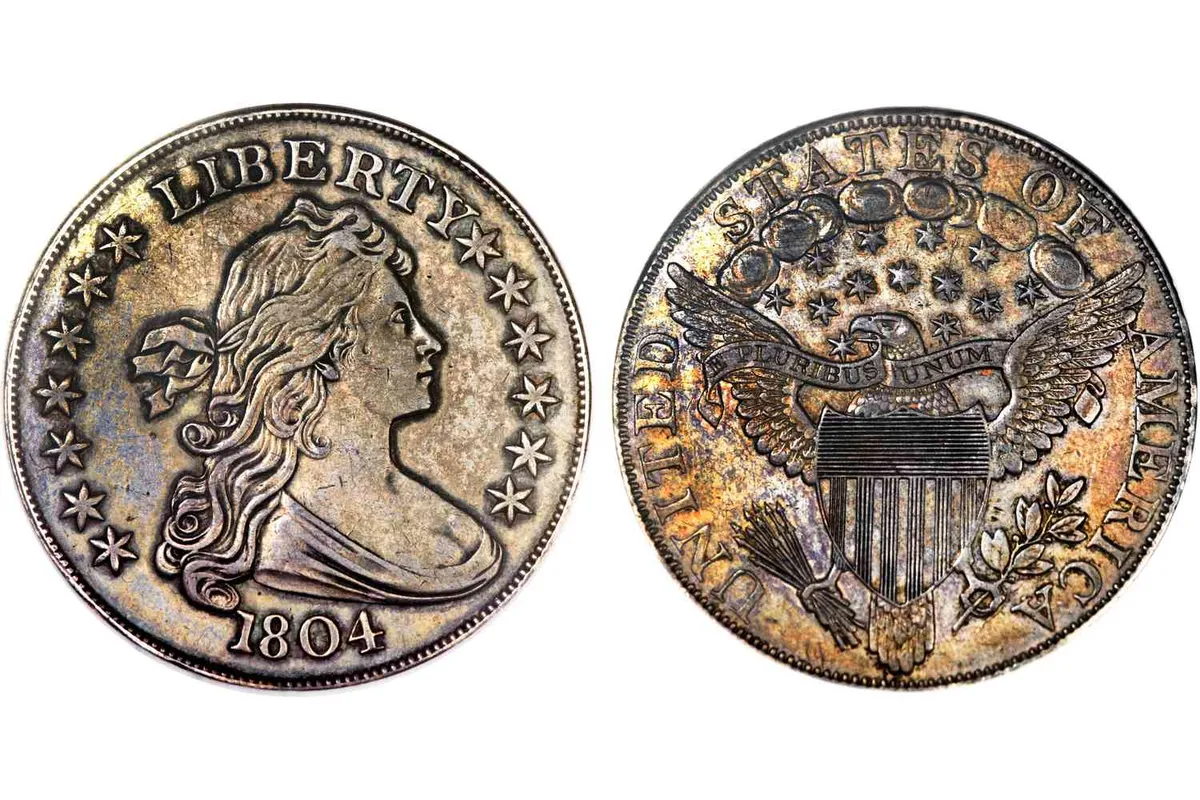
1794 Flowing Hair Silver Dollar: Esteemed as the first silver dollar minted by the United States government, only a small number survive from the initial 1,758 minted. A specimen fetched $10 million in 2013, highlighting its scarcity.
-
1787 Brasher Gold Doubloon: Crafted by goldsmith Ephraim Brasher, this early American coin is historically significant. With very few examples made, one sold for $9.36 million in 2021.
-
1822 Capped Bust Half Eagle: One of the scarcest gold coins in U.S. history. Out of 17,796 minted, all but three were melted down. Two reside at the Smithsonian, and one remains privately held.
Why Rare Coins Matter to Ultra-High-Net-Worth Investors
For financial advisors guiding ultra-high-net-worth clients, rare coins represent an alternative asset class that complements traditional portfolios. Unlike volatile equities or bonds, rare coins often hold intrinsic artistic and historical value that can appreciate independently of market fluctuations.
Moreover, the allure of investing in the rarest coins extends beyond mere financial returns. It embodies a commitment to preserving legacy—a principle core to wealth management strategies aimed at family continuity and enhancing generational wealth.
Partnering with Robertson Stephens Wealth Management
Navigating the niche market of rare coins requires expertise, access, and strategic foresight. Robertson Stephens Wealth Management helps optimize your wealth by aligning tangible asset holdings with broader goals, like optimizing time, enhancing freedom, safeguarding health, supporting family continuity, and unlocking access to exclusive resources.
For ultra-high-net-worth individuals, rare coins are not only fascinating cultural artifacts but also a strategic component of a diversified, resilient portfolio. By integrating numismatic investments with comprehensive wealth-planning services, you amplify your impact.
.webp "ultra-high-net-worth")