

The Global Biodiversity Funding Gap
The global biodiversity crisis poses a profound challenge, with more species declining than recovering and natural ecosystems under unprecedented pressure. Despite decades of conservation efforts, an estimated annual shortfall of hundreds of billions of dollars persists in funding the preservation and restoration of nature worldwide. This funding gap has catalyzed the emergence of innovative, market-oriented mechanisms that invite private capital to contribute directly to tangible conservation outcomes.
What Are Biodiversity Credits?
One such mechanism gaining attention among sophisticated investors and financial advisors is the concept of biodiversity credits. Distinct from the more established carbon credit markets, biodiversity credits represent measurable improvements or protections of ecosystems, enabling financiers to channel resources towards biodiversity preservation in a verifiable manner.
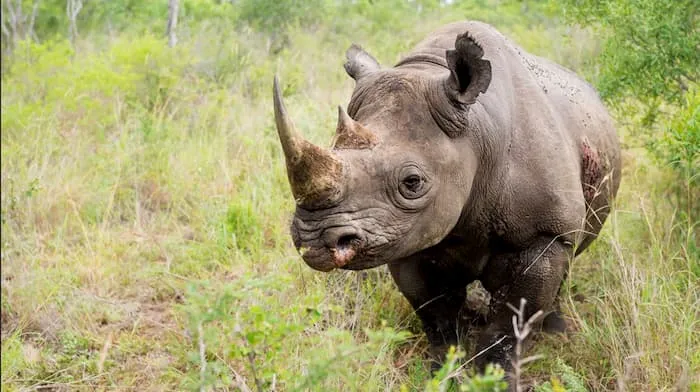
A practical illustration can be found in Kenya, where a pioneering wildlife corridor project exemplifies how biodiversity credits function. Local communities and landowners participate in maintaining and restoring habitats critical to migratory species by restricting certain land uses. In return, they generate biodiversity credits quantifying these environmental benefits. These credits can then be sold to corporations or investors committed to offsetting their impacts on biodiversity or enhancing their sustainability portfolios. This creates a direct incentive for keepers of nature to maintain healthy ecosystems, aligning ecological integrity with economic value.
The Policy Momentum Behind Biodiversity Markets
This evolving asset class is supported by key international policy frameworks, notably the Kunming-Montreal Global Biodiversity Framework adopted in late 2022. This multilateral agreement sets ambitious global targets for biodiversity conservation and explicitly acknowledges the indispensability of private sector involvement and finance innovation. Such policy momentum boosts institutional interest and lays foundational principles that may steer widespread adoption of biodiversity markets.
The Challenges of an Emerging Market
However, it is important to acknowledge that biodiversity credit markets remain nascent and face multiple hurdles. Unlike carbon markets, which benefit from more developed methodologies and regulatory oversight, biodiversity credits grapple with complexities related to diverse ecological systems, monitoring biodiversity outcomes, and ensuring credible verification standards. Trust and standardization are still in formation, and market infrastructure is modest, which necessitates cautious engagement.
For ultra-high-net-worth individuals and families interested in conservation-aligned investing, biodiversity credits represent a frontier opportunity worth monitoring closely. While not yet a fully mature or large-scale allocation in wealth portfolios, selective pilot participation can offer both environmental benefits and valuable learning about this emerging market's dynamics.
Integrating Biodiversity Credits Into a Wealth Strategy
Navigating such innovative investment vehicles benefits from informed guidance and bespoke portfolio integration, especially amid market volatility and wealth planning risks. Robertson Stephens Wealth Management, with expertise spanning fiduciary wealth oversight, thematic social impact investing, and comprehensive financial planning across our New York and Bellevue offices, can support investors in thoughtfully exploring biodiversity credits within a diversified wealth strategy.
By partnering with a firm experienced in ESG integration and generational wealth transfer, clients not only seek optimized returns but also amplify their portfolios’ positive impact on the planet—the essence of optimizing wealth while amplifying its meaningful outcomes.
.webp "ultra-high-net-worth")