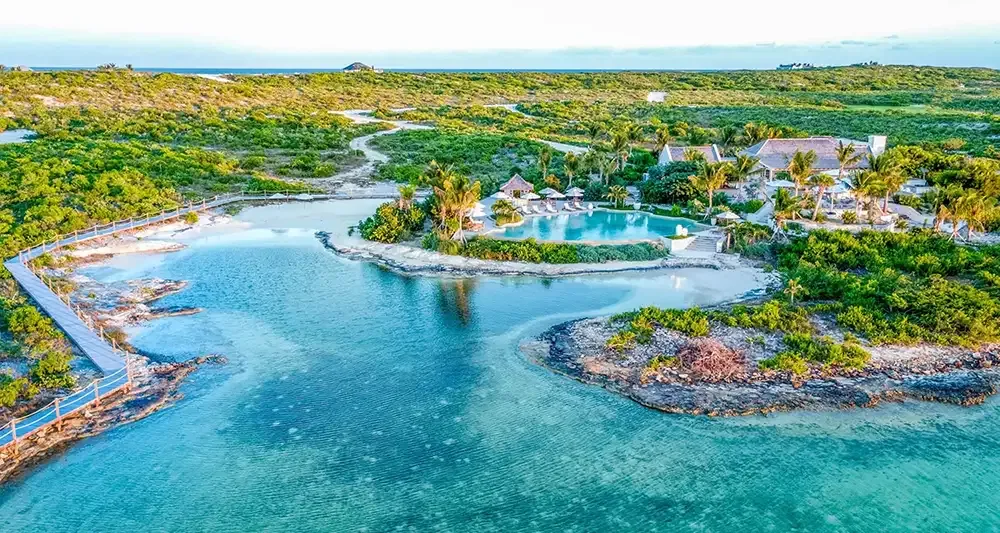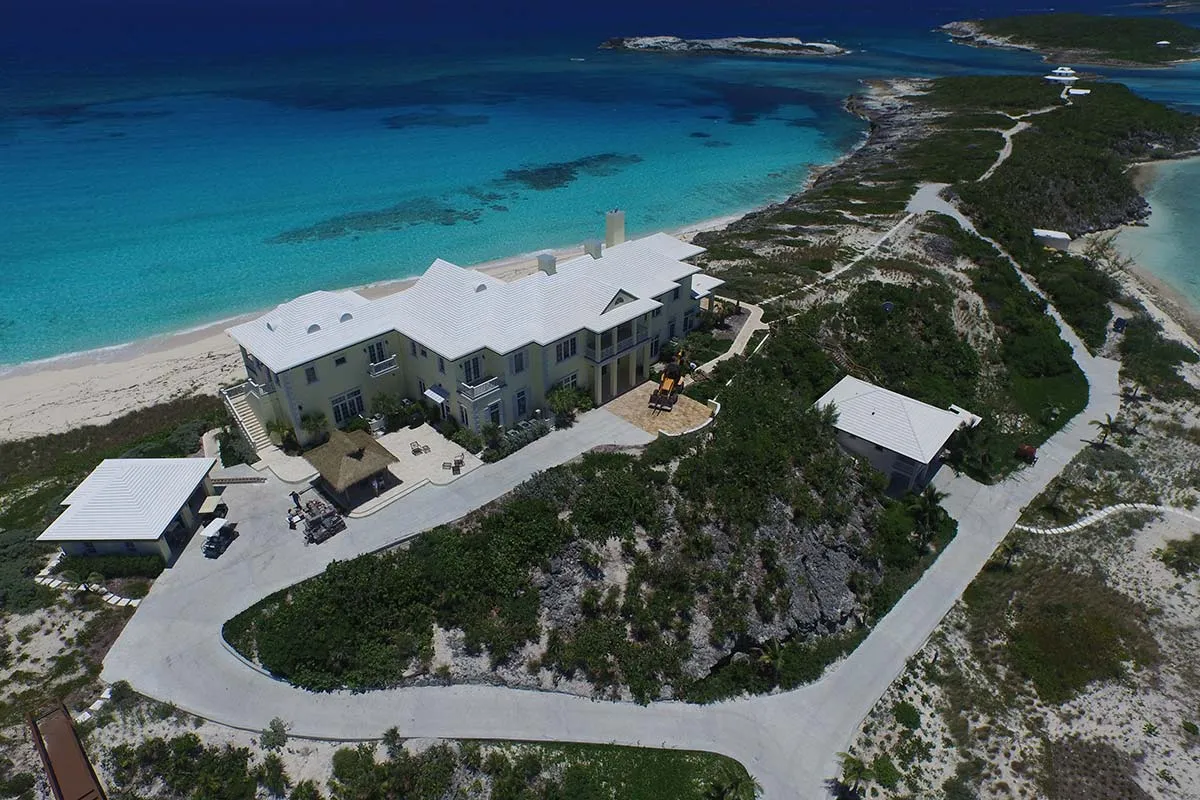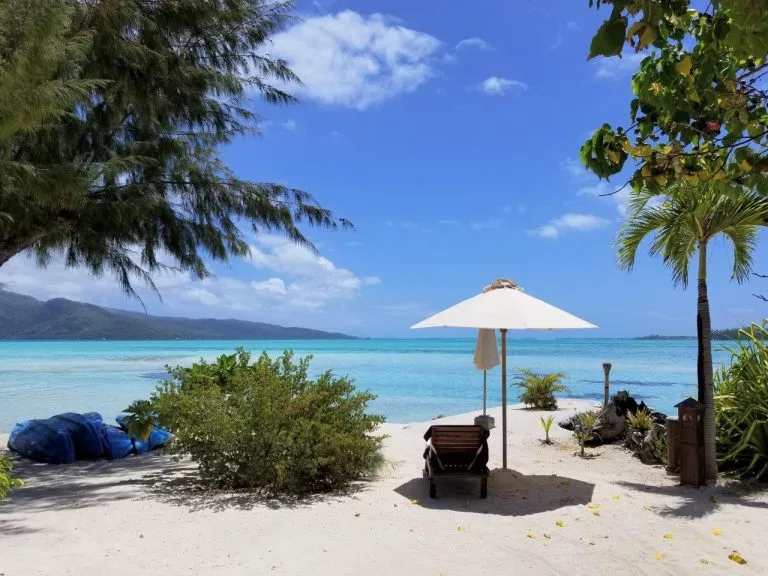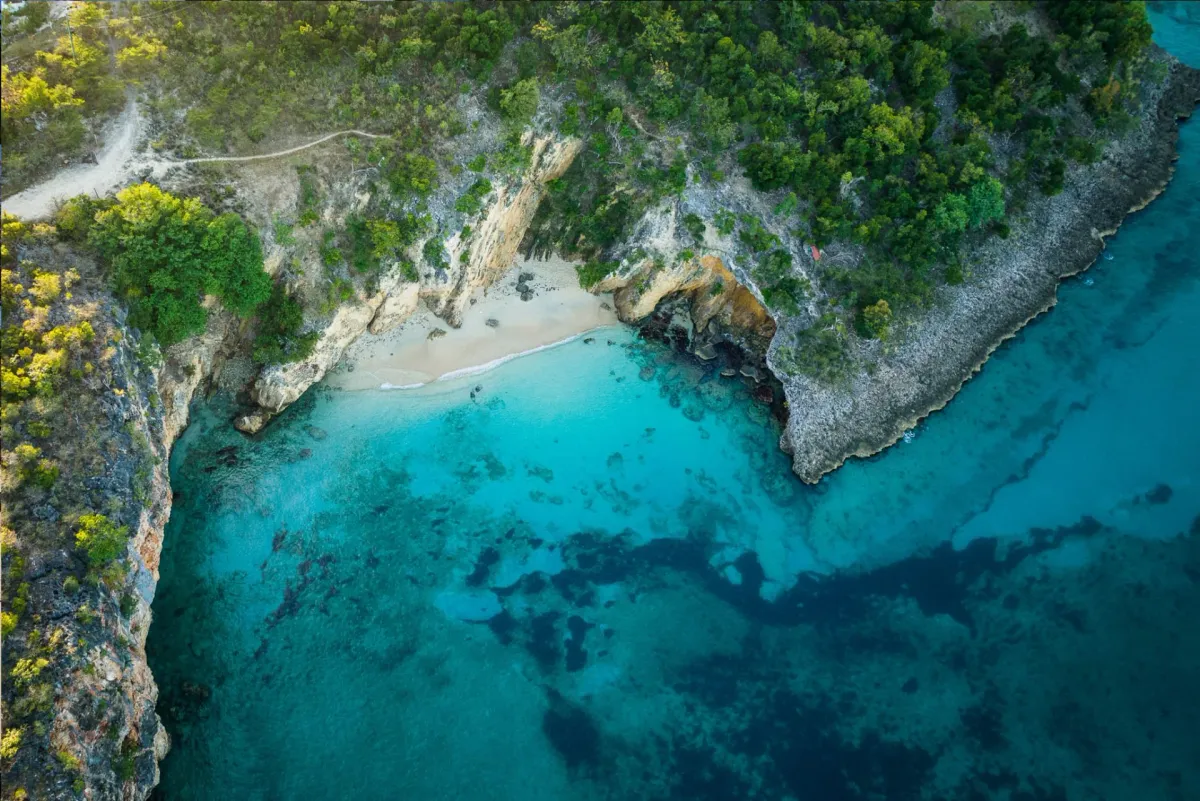
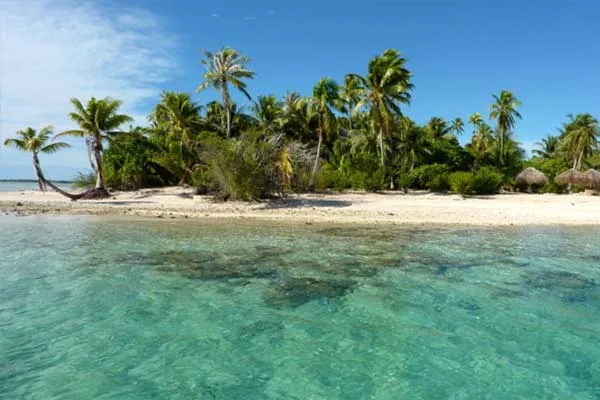

The private island resorts market is experiencing a significant transformation, reflecting shifting preferences among ultra-high-net-worth individuals (UHNWIs) and their families. Valued at $6.8 billion in 2025, this niche segment is projected to nearly double to $13.2 billion by 2034, driven by a compound annual growth rate (CAGR) of 7.6% from 2026 onward.
Market Drivers and Client Preferences
The surge in demand for private island resorts stems from a discernible move away from traditional five-star hotels toward secluded, bespoke experiences immersed in natural environments. UHNWIs routinely dedicate between 8% and 15% of their discretionary spending to experiential luxury travel, increasingly recognizing private island stays as the pinnacle of such experiences.
This growth is intricately linked to the expanding global UHNWI population, which surpassed 400,000 individuals in 2024 and is anticipated to grow by more than 28% through 2028. Additionally, the rise of remote work and digital nomadism in luxury circles has increased average booking durations, with stays of seven nights or more now accounting for 54% of private island resort revenues, compared to 41% in 2019.
Innovations in Amenities and Sustainability
Operators are elevating the private island product by investing in villa-style accommodations that include high-speed satellite connectivity, private infinity pools, and personalized butler services. This represents an ideal option for UHNWIs who value privacy while seeking modern connectivity and comfort.
Moreover, sustainability initiatives like coral reef restoration, solar-powered infrastructure, and farm-to-table dining resonate strongly with the younger subset of affluent travelers (ages 30 to 45) who value environmental stewardship alongside exclusivity. Strategic partnerships with luxury charter aviation, private yacht companies, and bespoke wellness retreats further enhance the experiential ecosystem, offering opportunities for package bundling and diversified revenue streams.
Geographic Hotspots and Emerging Destinations
Demand remains concentrated in established luxury hubs such as the Maldives, French Polynesia, Seychelles, and Caribbean archipelagos. These regions command the highest nightly villa rates, often exceeding $5,000. However, emerging destinations in Southeast Asia and the Indian Ocean are gaining ground by offering pristine, less-explored locales paired with competitive pricing.
Integrating Wealth Planning with Experiential Travel
Given the significant discretionary allocation toward hyper-personalized travel experiences, financial advisors serve a crucial role in integrating private island resort insights into comprehensive wealth strategies. Consider annuities for high-net-worth investors as a tool to stabilize income amidst market volatility while preserving the capital that underpins such lifestyle investments. Reinforcing wealth plans with measures such as cash reserves and estate reviews is prudent, particularly during periods of geopolitical tension and rising energy costs.
Why Partner with Robertson Stephens Wealth Management
As UHNWIs increasingly prioritize time, freedom, health, and family continuity—assets often valued more than wealth itself—collaborating with seasoned wealth managers becomes essential. Robertson Stephens Wealth Management specializes in optimizing these intangible resources.
Our tailored approach combines market insights with personalized financial planning, helping clients sustain ultra-exclusive travel lifestyles while safeguarding long-term financial resilience.
.webp "ultra-high-net-worth")