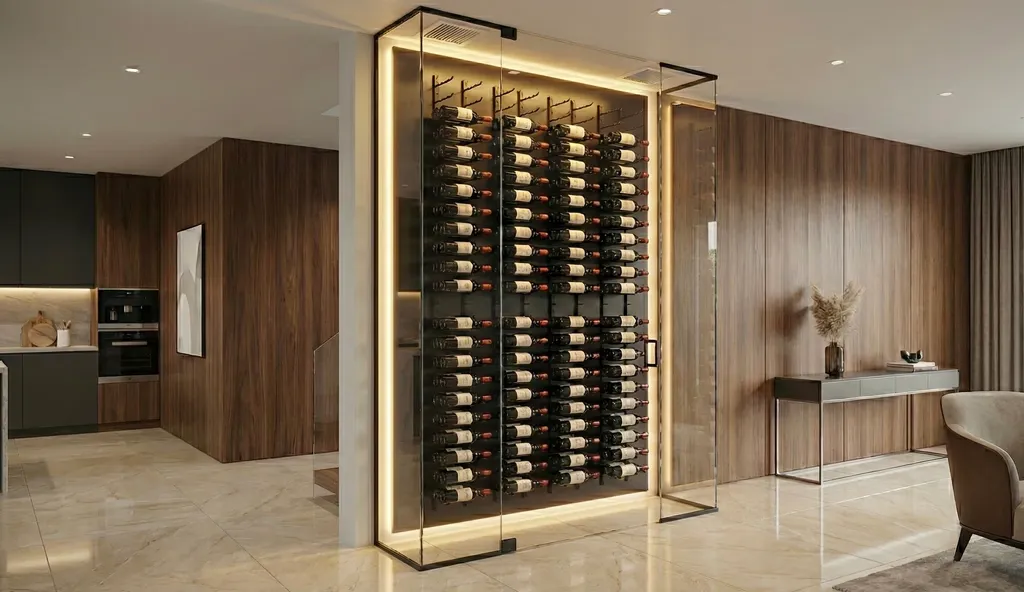


Diversifying wealth through tangible, appreciating assets is a strategic imperative. Among these, investment-grade wines have garnered attention not merely as luxury consumables but as storied assets that blend passion with financial prudence. This guide explains everything you need to know and consider when thinking about investing in investment-grade wines.
What Defines Investment-Grade Wine?
Investment-grade wines are not just the fancy labels adorning restaurant wine lists. They are rare, prestigious bottles often treated by savvy collectors like blue-chip stocks. These wines command value through scarcity, impeccable provenance, and sustained global demand, particularly among serious collectors. The heart of investment-grade wines lies predominantly in classic Bordeaux reds, with select Burgundies such as Domaine de la Romanée-Conti and La Tâche also commanding elite status. A smaller portion of the market includes exceptional vintages of Sauternes and premier Champagnes.
The Unique Nature of Wine as an Asset
Unlike many collectible assets such as art or precious metals, investment-grade wines develop and improve over time if stored correctly in climate-controlled environments. This maturation increases not only their quality but also their complexity and market value. Unlike bottled whisky, whose profile remains static after bottling, fine wine evolves, offering an intrinsic potential for appreciation beyond mere scarcity.
Evaluating Investment-Grade Wines: The Five-Factor Framework
To qualify as investment-grade, a wine must meet rigorous criteria:
-
Established Secondary Market: It must be actively traded on platforms such as Liv-ex, ensuring liquidity.
-
Proven Track Record: A demonstrated history of sustained price appreciation and demand.
-
Recognized Provenance: An unbroken, verifiable custody trail, often coupled with temperature-controlled storage.
-
Liquidity at Scale: Reliable buyer interest when it is time to divest.
-
Predictable Supply: Limited production volumes, with consumption continually reducing the number of available bottles.
Managing and Maximizing Value
Enthusiastic collectors do not simply amass bottles; they monitor market trends, employ professional storage solutions, and strategically time sales—sometimes holding bottles for decades. This rigorous approach safeguards the investment’s quality and enhances potential returns. Many utilize specialized auctions or fine wine exchanges to optimize transaction timing and pricing.
Integrating Wine Investments into Wealth Management
For ultra-high-net-worth families, integrating investment-grade wines into their portfolios demands nuanced expertise. This includes understanding market cycles, the logistics of secure storage, and the legal considerations surrounding asset transfers.
Robertson Stephens Wealth Management offers tailored advisory services that extend beyond financial metrics. Our approach helps clients optimize time and freedom, support health and family continuity, and secure access to unique resources.

.webp "ultra-high-net-worth")