
Yacht Clubs and the Architecture of Ultra-High-Net-Worth Social Capital
Yacht clubs occupy a distinctive position within the landscape of private membership organizations, particularly for ultra-high-net-worth (UHNW) individuals seeking more than exclusivity alone. These institutions range from historic custodians of maritime tradition to modern marina lifestyle destinations, each reflecting different dimensions of wealth, status, and social capital.
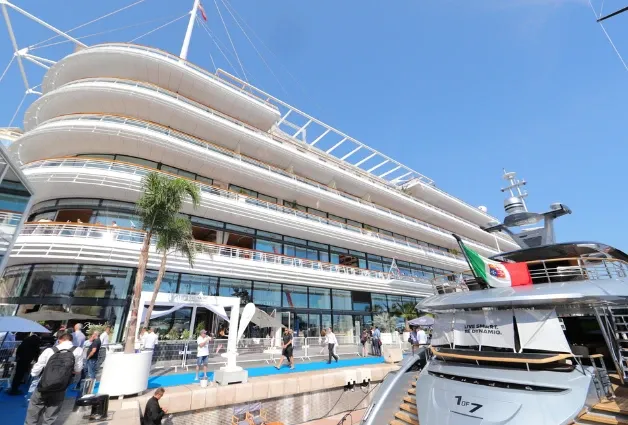
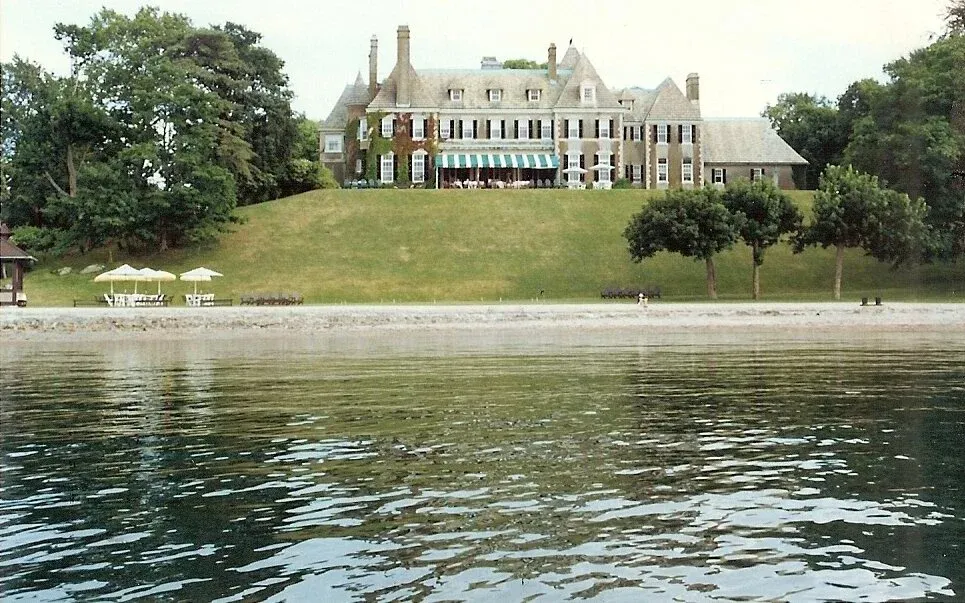
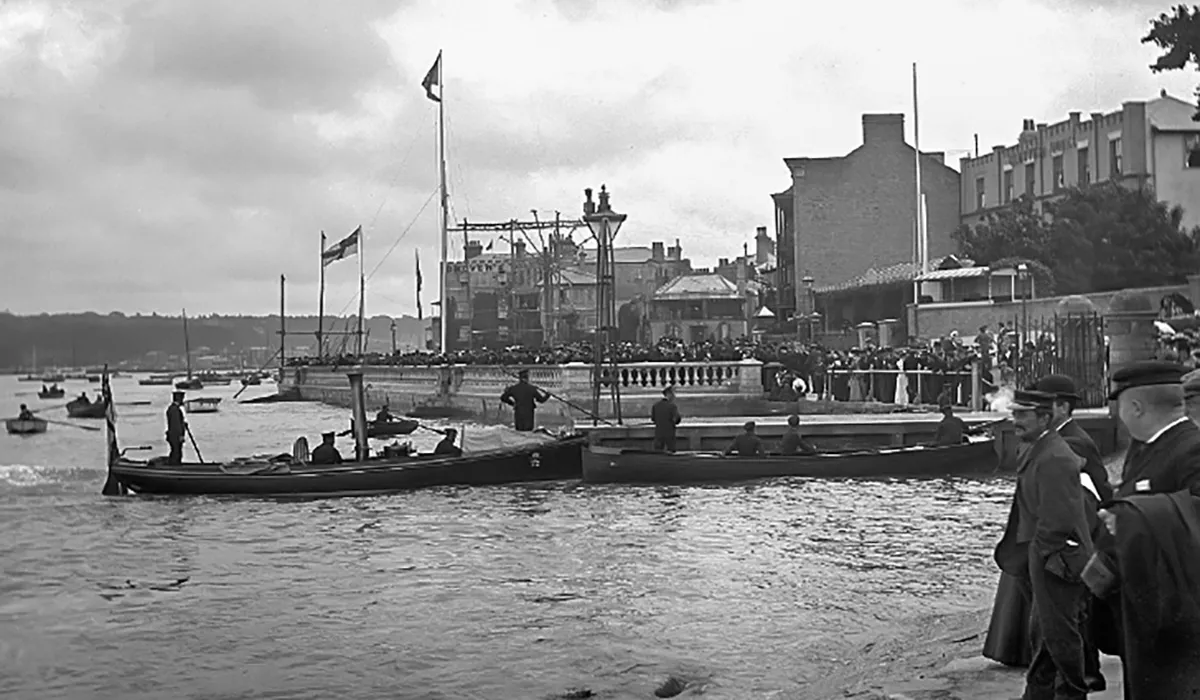
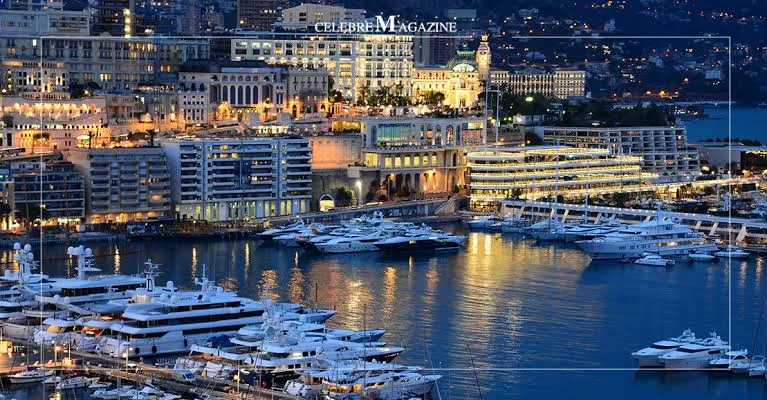
At one end of the spectrum stand iconic organizations such as the New York Yacht Club, established in the mid-19th century, and the Yacht Club de Monaco, founded in the mid-20th century. These clubs carry generations of history, serving as guardians of maritime heritage while maintaining social structures rooted in tradition, ceremony, and legacy. Their reputations have been built over decades, and in some cases centuries, creating a level of prestige that extends far beyond their physical facilities.
By contrast, newer yacht and marina lifestyle clubs often prioritize access, convenience, and contemporary luxury. These organizations appeal to a broader segment of affluent yacht owners and enthusiasts, emphasizing modern amenities and experiential offerings rather than institutional pedigree. This diversity within the yacht club ecosystem reflects the varying priorities of today's UHNW community, from those who value historical continuity to those who prefer a more contemporary expression of luxury.
Membership as Social Validation
One of the defining characteristics of legacy yacht clubs is their sponsorship-based admissions process. Unlike clubs where membership is primarily a financial transaction, many prestigious yacht clubs require prospective members to be nominated and endorsed by existing members, often through multiple sponsors.
This process functions as more than simple vetting. It serves as a mechanism for preserving cultural continuity and ensuring alignment between new members and the club's values, traditions, and social fabric. Admission therefore reflects not only financial capacity but also social credibility and relational trust.
In practical terms, joining a legacy yacht club resembles entering a lineage rather than purchasing access. Prospective members often undergo extensive evaluation, recommendations, and integration into an established maritime community. This contrasts sharply with clubs where membership is determined primarily by fees or yacht ownership.
The Dual Symbolism of Yacht Ownership and Club Membership
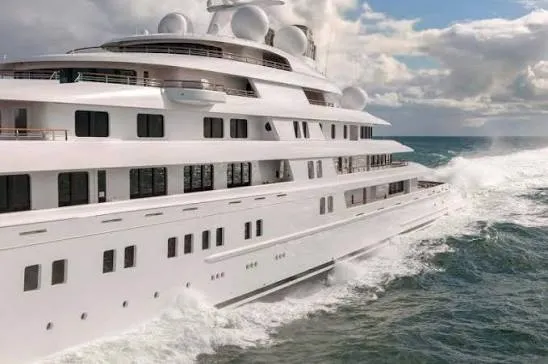
Yacht club membership carries a unique combination of tangible and intangible significance. The yacht itself serves as a visible expression of wealth, mobility, and personal freedom. Membership, meanwhile, provides institutional affiliation with a community that embodies heritage, tradition, and social standing.
Together, yacht ownership and club membership create a powerful form of social signaling. Unlike many private clubs where status derives primarily from access to exclusive spaces or events, yacht clubs combine physical ownership with collective identity and ceremonial tradition.
This dual symbolism elevates yacht clubs beyond conventional membership organizations and helps explain their enduring appeal among UHNW individuals and families.
Public Influence and Maritime Stewardship
Legacy yacht clubs derive additional prestige from their roles beyond private membership. Many serve as important institutions within the broader maritime community, contributing to education, competition, and stewardship initiatives.
The Yacht Club de Monaco, for example, is recognized for hosting internationally respected yachting events while promoting sustainability and maritime education. Similarly, the New York Yacht Club continues to organize prestigious regattas and support seamanship initiatives that reinforce its influence beyond purely social functions.
These activities position yacht clubs within broader cultural and public spheres, creating opportunities for members to participate in philanthropy, governance, and industry leadership. Membership therefore becomes associated not only with privilege but also with responsibility and influence.
Why Membership Often Follows Ownership
For many UHNW individuals, yacht club membership is not the starting point but rather a natural progression following yacht ownership. After acquiring a vessel, owners frequently seek club affiliations to deepen social connections, gain access to exclusive events, and become part of an established maritime network.
Membership enhances the ownership experience by providing community, infrastructure, and opportunities for engagement that extend beyond the yacht itself. It adds a social and institutional layer to an already significant lifestyle investment.
Integrating Yacht Ownership into a Broader Wealth Strategy
For UHNW families evaluating yacht ownership and yacht club membership, these decisions extend beyond lifestyle considerations. Both involve meaningful financial commitments and carry implications for legacy, family engagement, and long-term wealth planning.
At Robertson Stephens Wealth Management, we help clients evaluate these lifestyle investments within the context of comprehensive wealth strategies. Through institutional-grade investment solutions, bespoke portfolio construction, strategic planning surrounding liquidity events, and multigenerational wealth-transfer strategies, we assist families in aligning lifestyle ambitions with broader financial objectives.
Yacht clubs ultimately represent more than access to marinas or social events. They embody a distinctive intersection of heritage, exclusivity, visible wealth, and community. When thoughtfully integrated into a comprehensive wealth plan, they can become meaningful components of a broader legacy strategy—one designed not only to preserve financial capital but also to enhance the time, freedom, family continuity, and access that define enduring wealth.
.webp "ultra-high-net-worth")