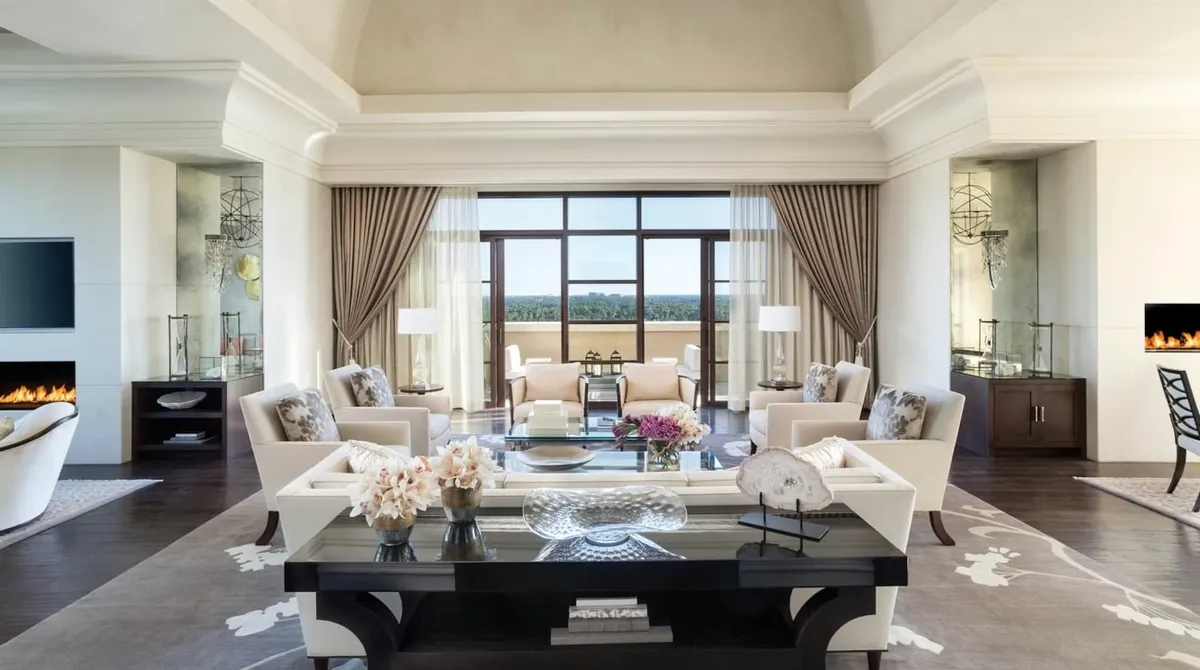
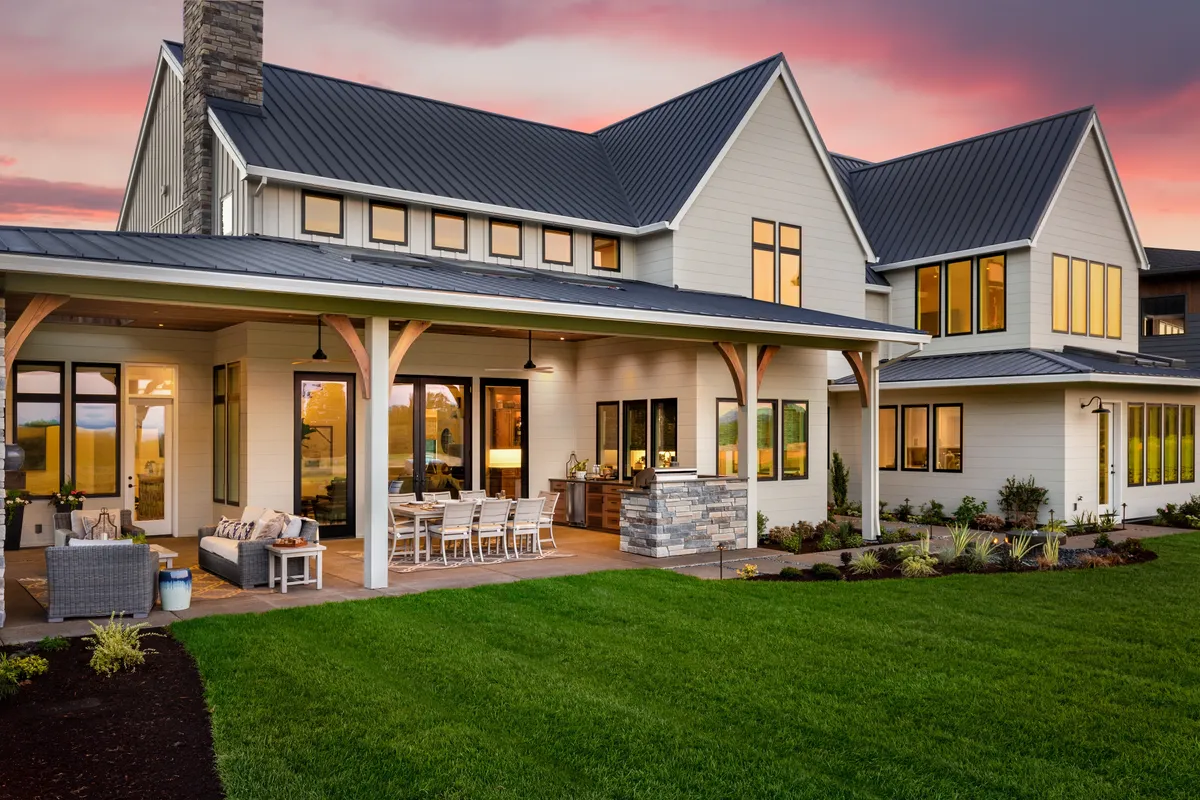

In recent years, the landscape of second-home ownership among ultra-high-net-worth (UHNW) individuals and families has undergone notable transformation. The traditional image of a static vacation property is shifting toward dynamic living arrangements designed to support lifestyle flexibility and multifaceted family priorities. For financial advisors serving this exclusive clientele, appreciating these evolving patterns is essential for delivering tailored, strategic counsel that aligns with wealth optimization and long-term family goals.
The Rising Demand for Lifestyle Flexibility
Ultra-high-net-worth individuals increasingly view modern second homes not merely as recreational escapes but as adaptable spaces that accommodate fluctuating needs. Remote working trends, amplified by recent global events, have enabled affluent families to embrace flexible residences that function as hybrid hubs for work, relaxation, and social connection. These properties often feature advanced technological infrastructure, wellness amenities, and seamless integration with primary residences to support fluid transitions between locales.
Financial advisors play a crucial role in helping clients assess the impact of such flexibility on overall wealth management strategies. Understanding how a second home's use aligns with personal and professional ambitions can inform decisions around tax implications, asset diversification, and estate planning.
Evolving Family Priorities and Intergenerational Use
Modern second homes among UHNW families often serve as focal points for multigenerational gathering, emphasizing the significance of family legacy and cohesion. There is an increasing preference for properties designed with varied communal and private spaces to accommodate the diverse preferences of extended family members. This diversification reflects a shift toward investing in emotional capital alongside financial assets.
Financial advisors must therefore evaluate how these properties factor into broader wealth transfer strategies. Considerations include ownership structures that facilitate smooth intergenerational transitions and maintenance of the property's long-term value amid changing family dynamics.
Strategic Acquisition and Portfolio Integration
Selecting and integrating second homes into an ultra-high-net-worth portfolio requires a nuanced approach balancing lifestyle desires with financial prudence. Location, property features, market liquidity, and potential for appreciation are weighed against costs such as upkeep, taxes, and regulatory considerations.
Advisors provide critical expertise in evaluating these factors, ensuring that acquisition decisions complement the overall wealth optimization goals. They also assist in structuring financing and ownership to maximize benefits and mitigate risks.
Embracing Technology and Sustainability
The modern UHNW second-home landscape increasingly incorporates smart home technology and sustainable design elements. These features not only enhance the living experience but also contribute to long-term value preservation and appeal to family members’ environmental sensitivities.
Financial advisors are encouraged to stay abreast of innovations that affect property valuation and ownership costs, integrating this knowledge into holistic client strategies.
Conclusion
The patterns of second-home ownership among ultra-high-net-worth individuals are evolving toward greater lifestyle flexibility and alignment with family priorities. For financial advisors, understanding these trends is imperative to optimize client wealth and amplify its impact across generations. By integrating insights on usage, family dynamics, and strategic portfolio placement, advisors can deliver comprehensive guidance that transcends traditional asset management, fostering enduring value and meaningful experiences.

.webp "ultra-high-net-worth")