

From Legacy Country Clubs to Curated Private Clubs: A Shifting Paradigm
For decades, the country club epitomized old-money prestige, characterized by inherited memberships, golf-centric amenities, and regional social networks. Today, this model is evolving. Modern private clubs, whether hospitality-brand extensions, business-focused city clubs, or privacy-first social clubs, offer a fundamentally different approach that emphasizes global connectivity, refined design, and carefully curated experiences over tradition and physical amenities.
Some of the newest city clubs launched with initiation fees around $200,000 and $20,000 in annual dues, alongside legacy-payment structures that can be transferred within families. Its footprint spans major international cities, including New York, Tokyo, and Bangkok, with additional locations planned. This reflects a global outlook not typically associated with traditional country clubs.
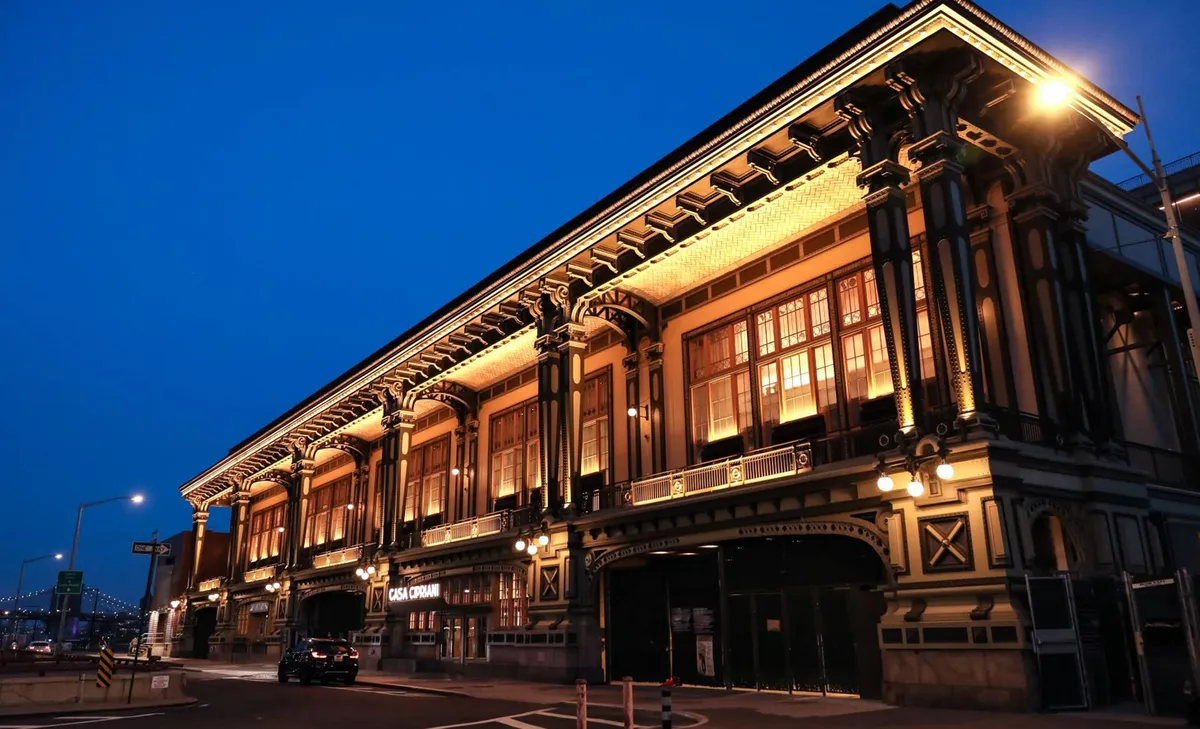
Similarly, Core Club and Casa Cipriani offer tiered membership structures and annual dues designed to appeal to a diverse ultra-high-net-worth (UHNW) clientele seeking exclusivity paired with cultural relevance. Since 2020, more than a dozen such clubs have launched or been announced in Manhattan alone, underscoring a growing shift in how affluent individuals build and maintain social networks.
What’s Driving the Change? Curation and Experience Over Inheritance
The distinction between old and new membership models lies in curation versus inheritance. Membership is no longer guaranteed through family lineage but increasingly earned or vetted based on fit, discretion, accomplishments, and shared values.
These clubs prioritize global reciprocity, allowing members to access locations and communities worldwide rather than remaining tied to a single geographic region. Design excellence, programming, and experiential quality are as important as the social capital associated with membership.
The UHNW demographic driving demand today is younger, more globally minded, and increasingly interested in environments where lifestyle, business, investment, and philanthropy intersect naturally. Members often expect clubs to function as hubs for deal flow, co-investment opportunities, intellectual exchange, and philanthropic collaboration rather than simply leisure and recreation.
Implications for Ultra-High-Net-Worth Families
For UHNW families, this shift reflects a broader evolution in status signaling. Prestige increasingly stems from access, influence, and curated networks rather than visible displays of wealth.
While traditional country clubs continue to maintain significance for many families, newer private clubs often provide platforms that better align with multigenerational engagement and global lifestyles. These venues create opportunities for younger family members to build meaningful relationships with peers who share similar ambitions, values, and international perspectives.
As a result, private club memberships increasingly function as social-capital assets—complementing financial capital by fostering relationships that can influence wealth preservation, business development, philanthropy, and long-term family continuity.
Evaluating the Risks: Cost, Liquidity, and Membership Alignment
Despite their appeal, private club memberships warrant careful evaluation.
Initiation fees vary dramatically—from relatively modest entry points at some clubs to six-figure commitments at others. Annual dues can also become significant over time, particularly for families maintaining memberships across multiple organizations.
Liquidity presents another consideration. Most memberships have little to no secondary-market value, and transferability restrictions vary substantially between clubs.
Additionally, some newer clubs operate as venture-backed businesses, introducing potential uncertainty regarding long-term stability, ownership changes, or future strategic direction. Membership also carries a degree of reputational alignment risk, making due diligence essential before joining any organization.
Social Capital as a Strategic Asset
In an environment where relationships increasingly influence opportunity, social capital can become as valuable as financial capital. Thoughtful membership selection allows families to align access, influence, and community with broader personal and financial objectives.
For UHNW families, this often requires a strategic approach that extends beyond wealth management alone. Family-office and advisory teams may help evaluate membership opportunities based on factors such as network quality, cultural fit, global access, and long-term family goals.
When integrated with broader wealth-planning initiatives—including generational wealth transfer, governance structures, bespoke portfolio construction, and philanthropic planning—private club memberships can become meaningful contributors to a family's overall strategy.
.webp "ultra-high-net-worth")