
Separating Idealism From Investment
Rewilding conjures images of unfenced wilderness and flourishing ecosystems, a romantic vision embraced by many ultra-high-net-worth (UHNW) landowners eager to optimize their land’s environmental contribution. However, beneath this inspiring narrative lies a complex financial landscape that demands careful analysis before allocating significant capital. This article provides a clear-eyed assessment of what rewilding a private estate costs, the realistic revenue streams it can generate, and the structural considerations critical for preserving value across generations.
Separating Idealism From Investment
Rewilding's popular portrayal often glosses over the tangible expenses of altering land stewardship. Transitioning conventional farmland or managed woodland into self-sustaining natural habitats requires substantial initial outlays—fencing to delineate areas, specialized infrastructure, and investment in native species reintroduction. These are not merely philanthropic gestures but strategic capital deployments in land transformation. Financially astute landowners must weigh these costs against potential revenue diversification opportunities to evaluate rewilding’s viability.
Revenue Diversification: Lessons From Knepp Estate
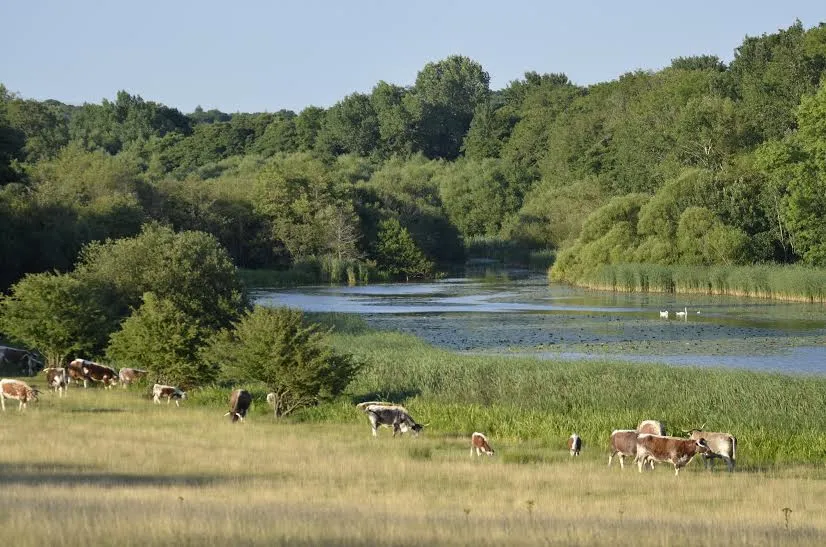
The Knepp Estate in the UK exemplifies a well-executed rewilding model blending multiple income streams. Beyond abandoning traditional intensive agriculture, Knepp generates revenues through:
-
Low-Impact Farming: Grazing native herbivores and harvesting wild meat creates unique food products valued in niche markets.
-
Ecotourism: Guided tours and curated nature experiences capitalize on growing consumer demand for immersive, sustainable travel.
-
Conservation Stewardship Payments: Government and NGO grants support biodiversity outcomes, supplementing operational costs.
This multi-pronged revenue approach transforms ecological restoration from a purely cost center into a diversified portfolio of income sources, which can, over time, rival or exceed returns from conventional land uses.
Realistic Cost Considerations and Timeline
The practical expenses extend beyond initial fencing and species introduction. Continuous monitoring to ensure ecological balance, specialized staff or consultants, and infrastructure upgrades present ongoing operational costs. Importantly, revenue generation is typically delayed: ecosystems require time to mature and for market channels to develop. Landowners should anticipate a multi-year horizon before realizing stable income, requiring financial resilience and patient capital.
Estate Continuity and Succession Planning
Rewilding’s success hinges on unwavering commitment over decades, posing a distinct risk if ownership changes disrupt continuity. For UHNW families, this underscores the necessity of integrating rewilding objectives within comprehensive estate and succession planning frameworks. Aligning land stewardship goals with inheritance strategies ensures that commitments endure across generations, protecting environmental investments and preserving the estate’s value.
Strategic Integration Into Wealth Planning
Given its scale and complexity, rewilding must be approached as a major capital allocation that benefits from holistic financial planning. Integrating rewilding with broader wealth planning enhances decision-making by:
-
Ensuring liquidity and reserves cover extended revenue maturation periods.
-
Aligning rewilding expenses and income with overall tax and estate strategies.
-
Facilitating multigenerational commitment through clear governance and succession structures.
Utilizing services like a comprehensive Wealth Planning Overview creates a cohesive financial roadmap that optimizes capital allocation, risk management, and long-term objectives.
.webp "ultra-high-net-worth")