
Rare Violins: Masterpieces of Craftsmanship, Heritage, and Investment
In a sense collecting, the allure of rare violins transcends music. These masterpieces embody heritage, art, and taste. Understanding such extraordinary assets offers unique perspectives on value preservation and legacy building.
What Makes the Rarest Violins Exceptional?
Beyond their exquisite sound, the value of these instruments is anchored in several key factors:
-
Historical Significance: Crafted predominantly during the golden age of Cremonese violin making, violins by Antonio Stradivari and Giuseppe Guarneri del Gesù reflect eras of musical evolution and masterful artistry.
-
Provenance and Ownership: Instruments like the “Baron Knoop” and the “Lady Blunt” carry storied histories linked to eminent collectors and virtuosos, enhancing their prestige.
-
Craftsmanship and Tonal Quality: The singular wood selection, varnish, and construction methods employed by these master luthiers create tonal characteristics that modern instruments strive to replicate.
-
Rarity: With only a few hundred surviving masterpieces globally, each violin’s scarcity makes it a coveted treasure among collectors and connoisseurs.
The Top 5 Rarest and Most Valuable Violins
-
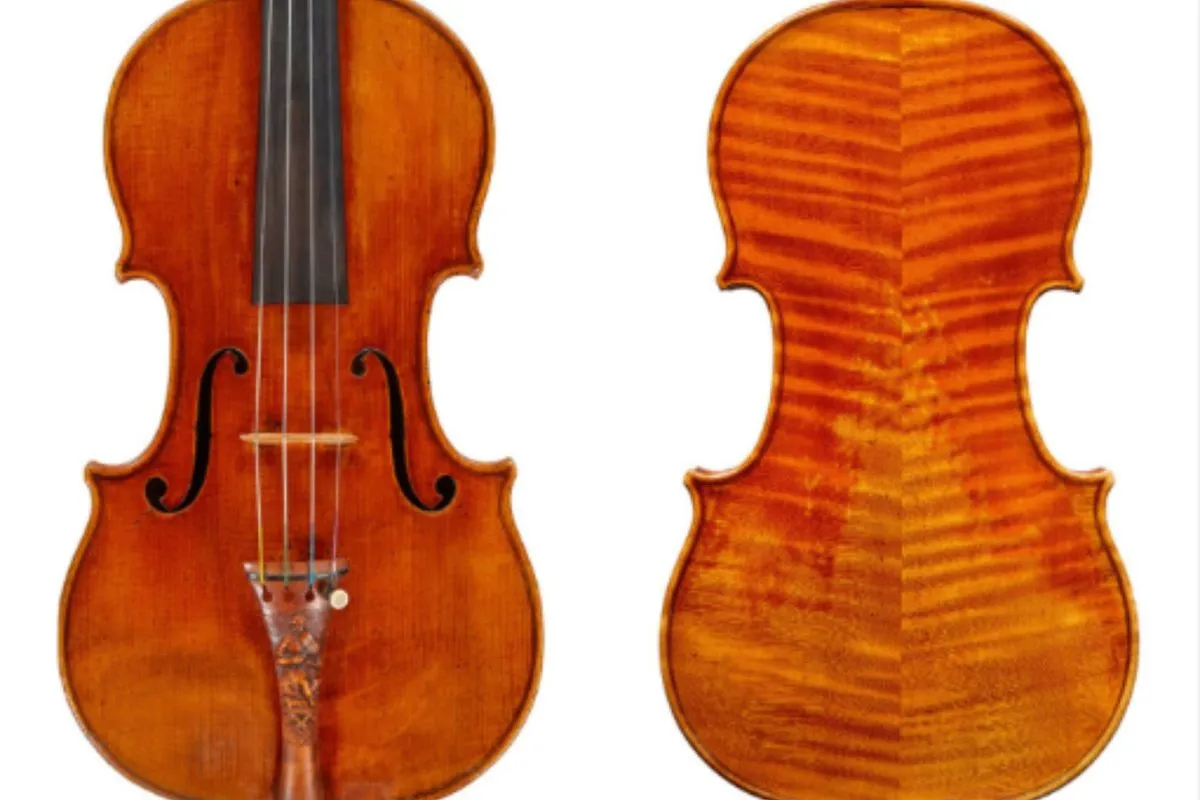
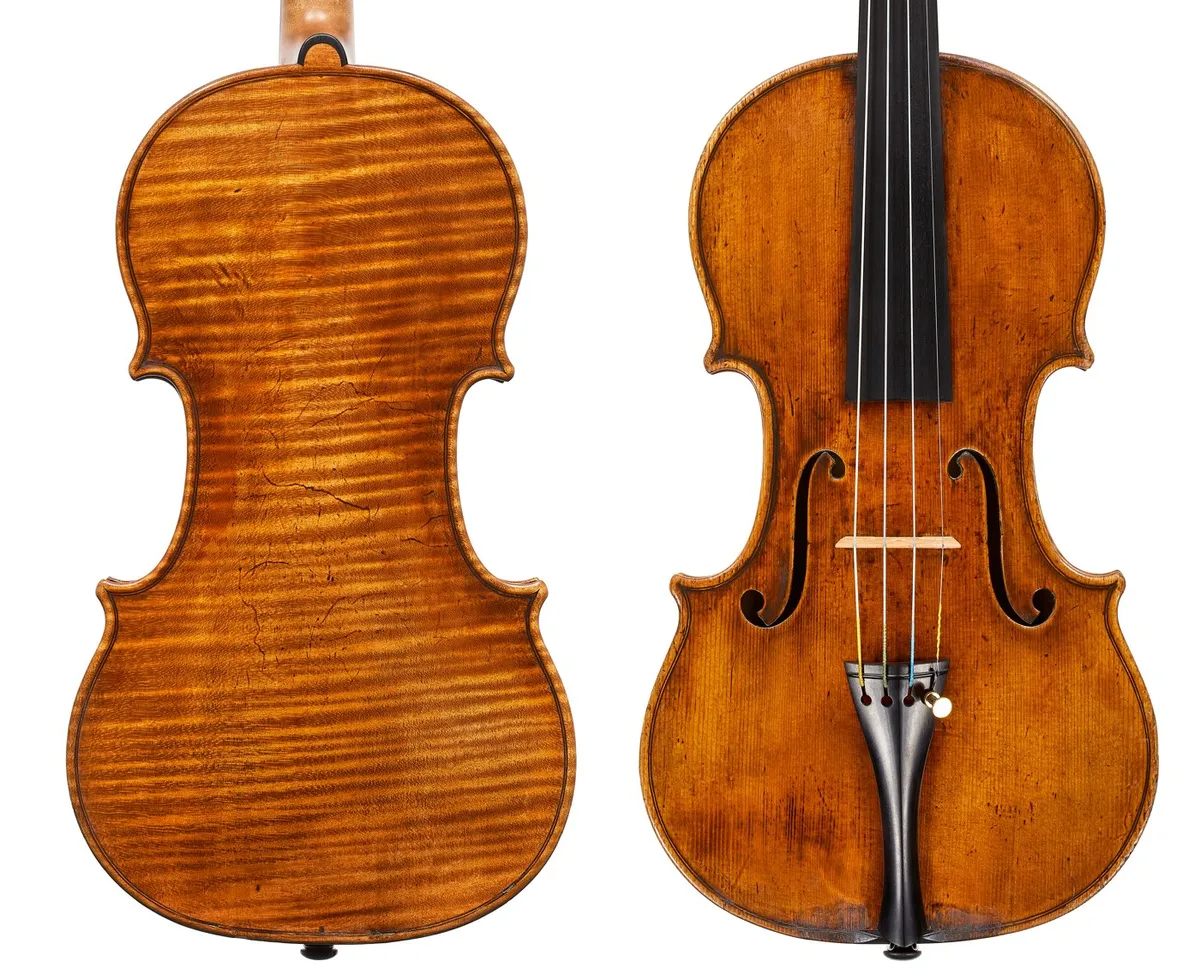
“Baron Knoop” Stradivari (1715): Valued at approximately $23 million, this instrument represents the pinnacle of Stradivari’s Golden Period, combining exceptional design with meticulously documented provenance.
-
“Messiah” Stradivari (1716): Estimated at up to $20 million, this violin’s near-pristine condition and remarkable preservation make it one of the most significant surviving Stradivari instruments. It is housed at the Ashmolean Museum.
-
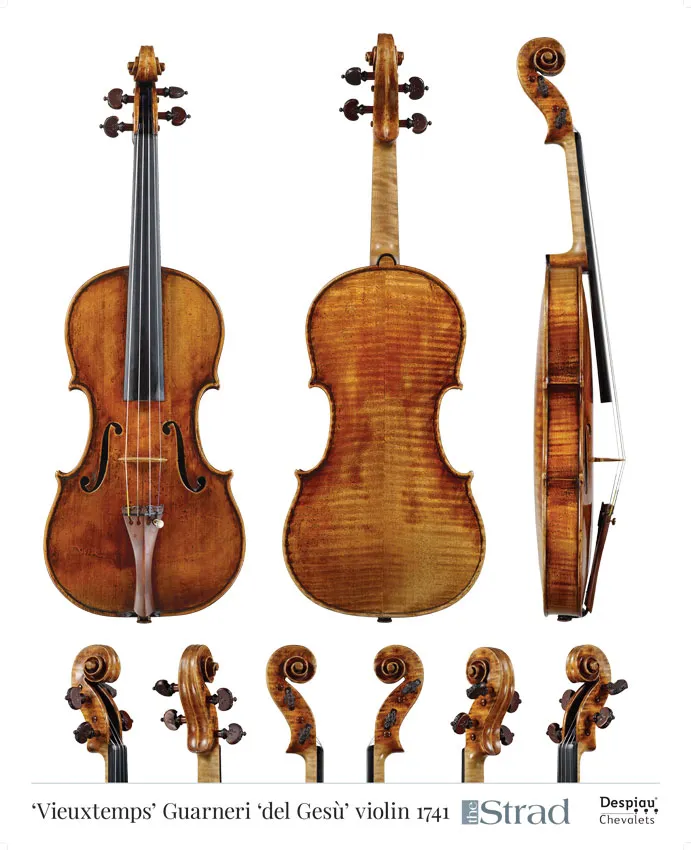
“Vieuxtemps” Guarneri del Gesù (1741): Renowned for its rich, complex tone, this violin sold for more than $16 million and exemplifies Guarneri’s distinctive sonic depth.
-
“Lady Blunt” Stradivari (1712): Sold for a record auction price of $15.9 million, its exceptional condition and notable ownership history contribute to its legendary status.
-
“Da Vinci” Ex-Seidel Stradivari (1714): Celebrated for its near-perfect condition and Golden Period craftsmanship, this violin achieved a sale price of $15.3 million.
Tonal and Craftsmanship Distinctions: Stradivari vs. Guarneri
Stradivari violins are typically associated with a bright, powerful tone, elegant symmetry, and remarkable projection, making them favored by musicians seeking clarity and brilliance.
Guarneri del Gesù instruments are known for their darker, richer sonority and more rugged craftsmanship. Their complex tonal palette appeals to soloists who value warmth, depth, and expressive character.
Understanding these distinctions helps collectors and musicians align acquisitions with personal preferences and performance objectives.
Lessons for High-Net-Worth Collectors
Investments in rare violins parallel broader wealth strategies in several important ways:
-
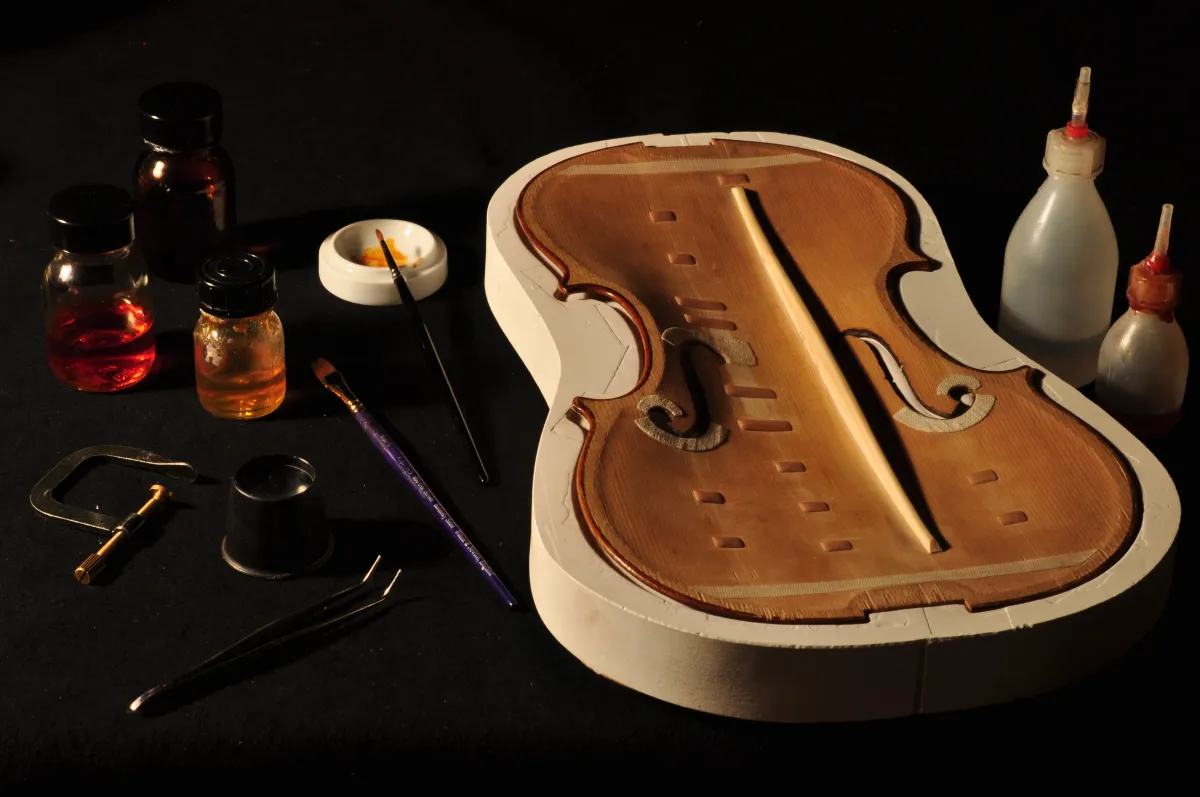
Long-Term Value and Heritage Preservation: As with estate planning, maintaining provenance, authentication, and proper conservation is essential to preserving value and legacy.
-
Portfolio Diversification: Fine instruments often appreciate independently of traditional financial markets, providing diversification benefits.
-
Emotional and Cultural Capital: Beyond financial value, these violins carry stories, traditions, and cultural significance that enrich family legacies.
Integrating Wealth Management Perspectives
Navigating the acquisition, ownership, and preservation of high-value collectibles benefits from comprehensive financial planning. At Robertson Stephens Wealth Management, we emphasize strategies that optimize the entire financial ecosystem—including cash management, asset protection, tax efficiency, and intergenerational wealth transfer.
Lessons from notable estate disputes, such as the Jimmy Buffett trust case, highlight the importance of carefully structured trusts, governance frameworks, and trustee selection when preserving unique and irreplaceable assets.
In addition, periods of market volatility reinforce the value of a comprehensive wealth plan that prioritizes resources extending beyond financial capital—time, health, family continuity, freedom, and influence.

.webp "ultra-high-net-worth")