

Understanding Blue-Chip Art as an Investment
Blue-chip art represents a pinnacle of prestige and financial opportunity for ultra-high-net-worth individuals (UHNWIs) seeking to diversify their investments. Originating from a term once used to describe highly valuable and reputable stocks, blue-chip art refers to works by established artists with a proven track record of appreciating in value over time. This investment class offers a balance of cultural significance and financial stability, making it attractive to investors looking to optimize their wealth while amplifying its impact.
What Defines Blue-Chip Art?
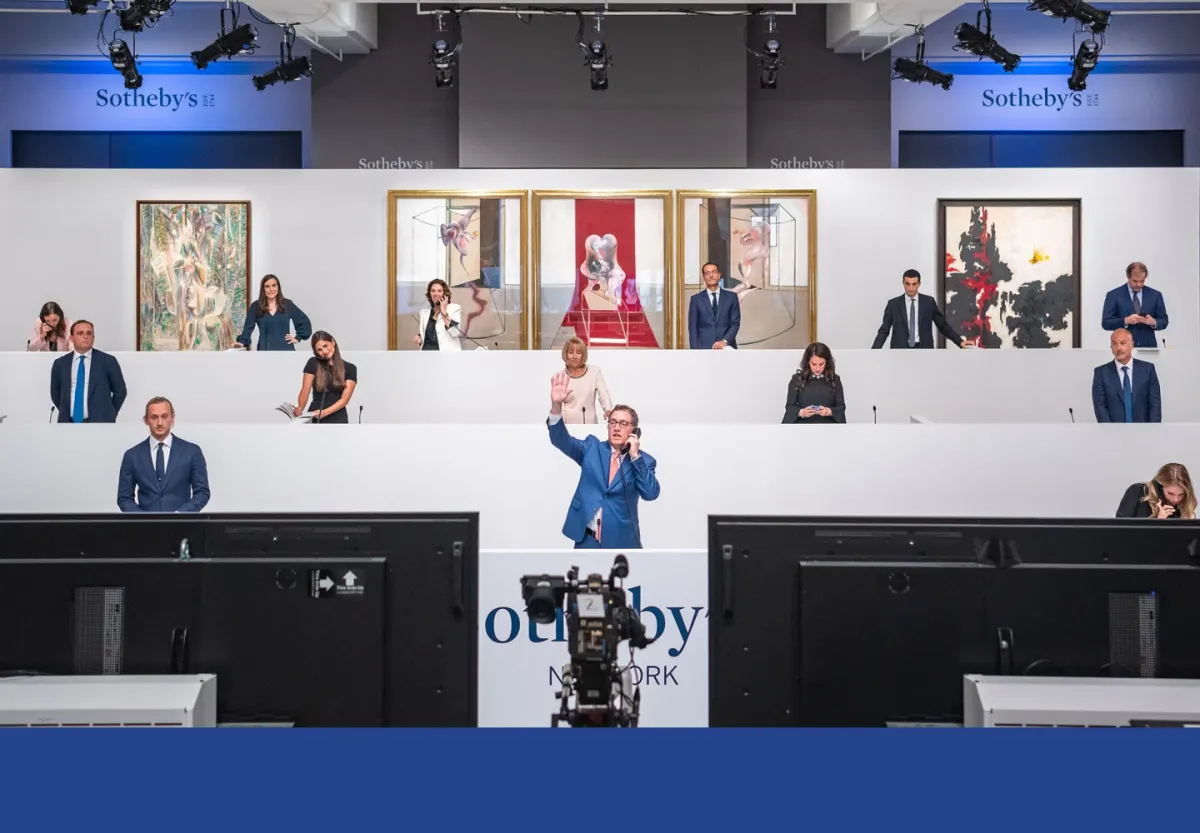
Blue-chip art typically encompasses masterpieces by artists whose works consistently achieve top-tier prices at major auction houses worldwide. These artists have established reputations, with their pieces forming important parts of prestigious public and private collections. Unlike more speculative acquisitions, blue-chip art investments have demonstrated resilience and long-term value growth, making them analogous to blue-chip stocks in the equity markets.
The contemporary art segment, dominated by the world's leading artists, accounts for a significant percentage of global auction turnover—approximately 85% comes from the top 500 artists, with the top 10 alone responsible for 27%. While prices can fluctuate alongside broader economic cycles, blue-chip art remains a sought-after asset, offering both aesthetic and financial rewards.
Blue-Chip Art vs. Emerging Red-Chip Art
Contrasting blue-chip art is the emerging category of "red-chip" art—work by new and rapidly rising artists often promoted through digital platforms and social media rather than traditional galleries. Red-chip artists can command impressive auction results, but their markets are generally less predictable and carry higher risk. For UHNWIs prioritizing wealth preservation and legacy, blue-chip art offers a more stable investment vehicle.
Key Artists and Market Insights
Recognized blue-chip artists typically have works valued in the tens of millions of dollars, with their pieces accounting for substantial portions of auction turnover. While recent market cycles have experienced downturns—such as a collective $188 million decline in auction turnover among the top 10 contemporary artists in 2022–23—the long-term trajectory of blue-chip art remains positive.
To invest wisely, UHNWIs should consider buyer demand, auction performance, provenance, and the quality of individual works. Understanding this complex market requires expert guidance to navigate auction cycles, authenticate artworks, and identify strategic acquisition opportunities.
How UHNWIs Can Invest in Blue-Chip Art
Investing in blue-chip art involves more than making a purchase—it requires a bespoke approach aligned with broader wealth objectives, risk tolerance, and legacy planning. Working with seasoned financial advisors who understand the art market enables more informed decision-making. Integrating art investments within a diversified portfolio can help maximize returns while preserving capital.
Robertson Stephens Wealth Management offers comprehensive wealth management services for UHNWIs exploring blue-chip art investments. Our Digital Solution for Wealth Management provides a real-time, transparent view of your entire financial ecosystem, enabling confident art investment decisions supported by institutional-grade insights.
In addition to art investments, UHNWIs may consider annuities to help manage volatility and create more stable income streams during uncertain market conditions. Our tailored annuity solutions can complement broader asset diversification strategies, balancing growth with stability.
Explore how integrating blue-chip art into your wealth portfolio can enhance diversification and strengthen your legacy, supported by expert guidance and innovative digital tools tailored to your unique financial journey.

.webp "ultra-high-net-worth")