

Funding Africa's Wild Future: How UHNW Philanthropy Is Transforming Conservation
Africa's vast and iconic wild landscapes are critical to global biodiversity, yet they face significant funding gaps that threaten their preservation. While government budgets and international aid provide essential support, private capital—particularly from ultra-high-net-worth (UHNW) individuals and families—is increasingly bridging the financial divide necessary for effective conservation management. These sophisticated donors play an influential role by providing flexible, multi-year funding that empowers protected areas to operate with greater autonomy and resilience.
The Evolving Role of UHNW Conservation Philanthropy
A variety of philanthropic approaches have emerged among UHNW funders to address the most pressing conservation challenges. Some prioritize unrestricted support, allowing parks and reserves to allocate capital wherever operational needs are greatest, from anti-poaching patrols to ecological monitoring. Others focus their giving on species-specific initiatives, such as lion recovery programs designed to stabilize and expand populations in critical habitats. Capacity-building has also become an important area of investment, with donors supporting incubator programs that strengthen local conservation organizations and develop long-term regional expertise.
Akagera National Park: A Model for Strategic Giving
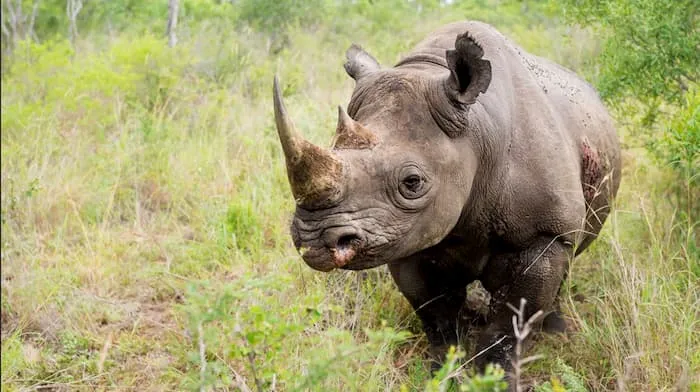
A compelling example is the successful recovery of rhinos through translocations to Rwanda's Akagera National Park. Supported by significant private philanthropy, this initiative has restored an iconic species while strengthening the park's broader ecosystem and increasing community engagement. The project demonstrates how well-targeted philanthropic capital can produce measurable biodiversity outcomes that extend well beyond the initial financial contribution.
Moving Beyond Donations Toward Financial Sustainability
Conservation funding has evolved considerably in recent years. Rather than relying indefinitely on charitable donations, many UHNW philanthropists now support initiatives designed to make protected areas increasingly self-sufficient. Carbon credit programs create recurring revenue by monetizing ecosystem services, while thoughtfully developed ecotourism generates sustainable income tied directly to the preservation of wildlife and natural landscapes. These approaches strengthen long-term financial resilience while reducing dependence on unpredictable funding cycles.
Aligning Philanthropy With Long-Term Wealth Strategy
For UHNW individuals considering meaningful philanthropic opportunities, wildlife conservation represents a unique opportunity to generate lasting impact. Even relatively modest investments, when directed toward evidence-based conservation models and long-term funding strategies, can produce significant ecological and community benefits. This reflects a broader philosophy of optimizing wealth to amplify meaningful outcomes while building an enduring legacy.
At Robertson Stephens Wealth Management, we recognize that sophisticated philanthropic strategies are most effective when integrated into a comprehensive financial plan. Through fiduciary wealth management, thematic social impact investing, ESG integration, and personalized wealth planning, we help UHNW clients align charitable giving with their broader financial objectives and personal values.
A comprehensive wealth plan serves as the foundation for ensuring philanthropic initiatives complement long-term goals surrounding family continuity, financial security, health, and personal freedom. Our New York office works closely with entrepreneurs, business owners, executives, and multi-generational families to develop customized strategies that transform capital into lasting influence.

.webp "ultra-high-net-worth")