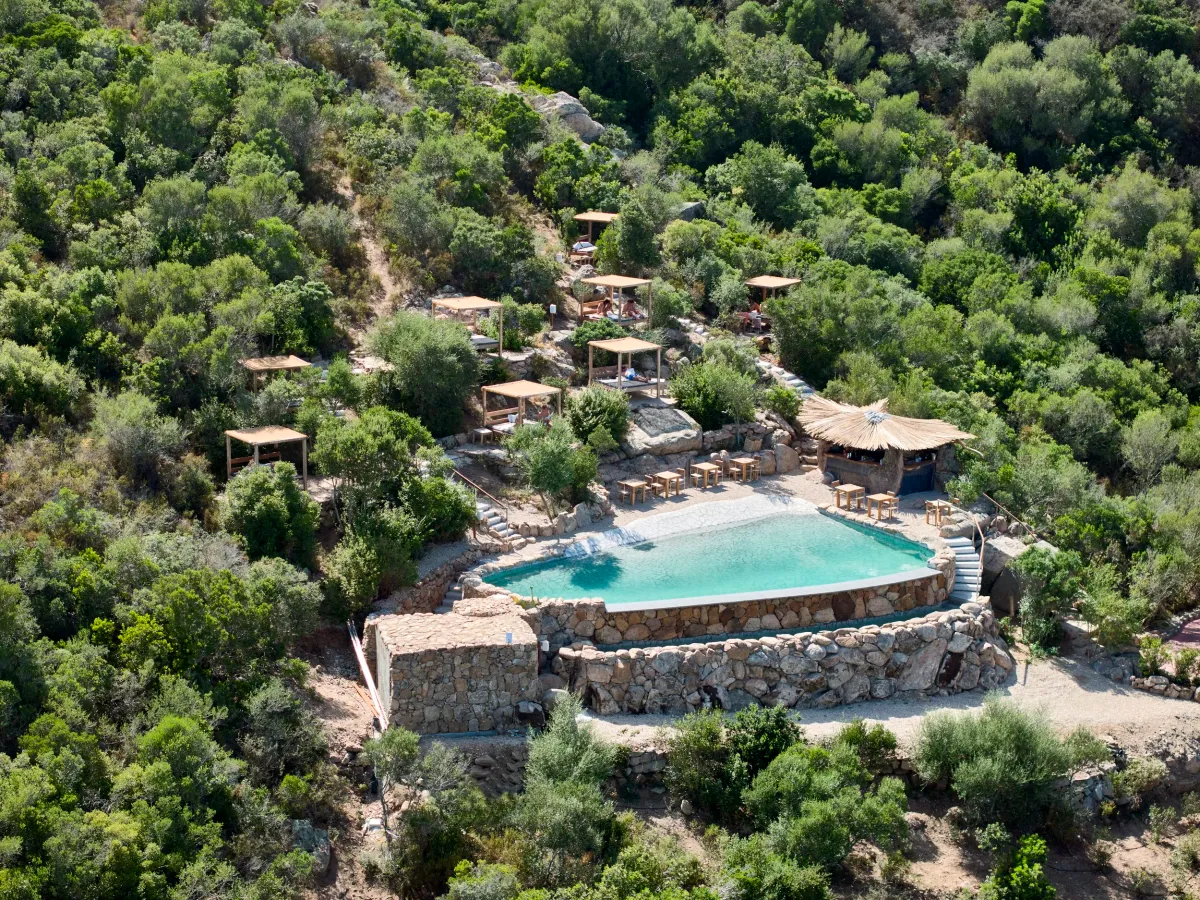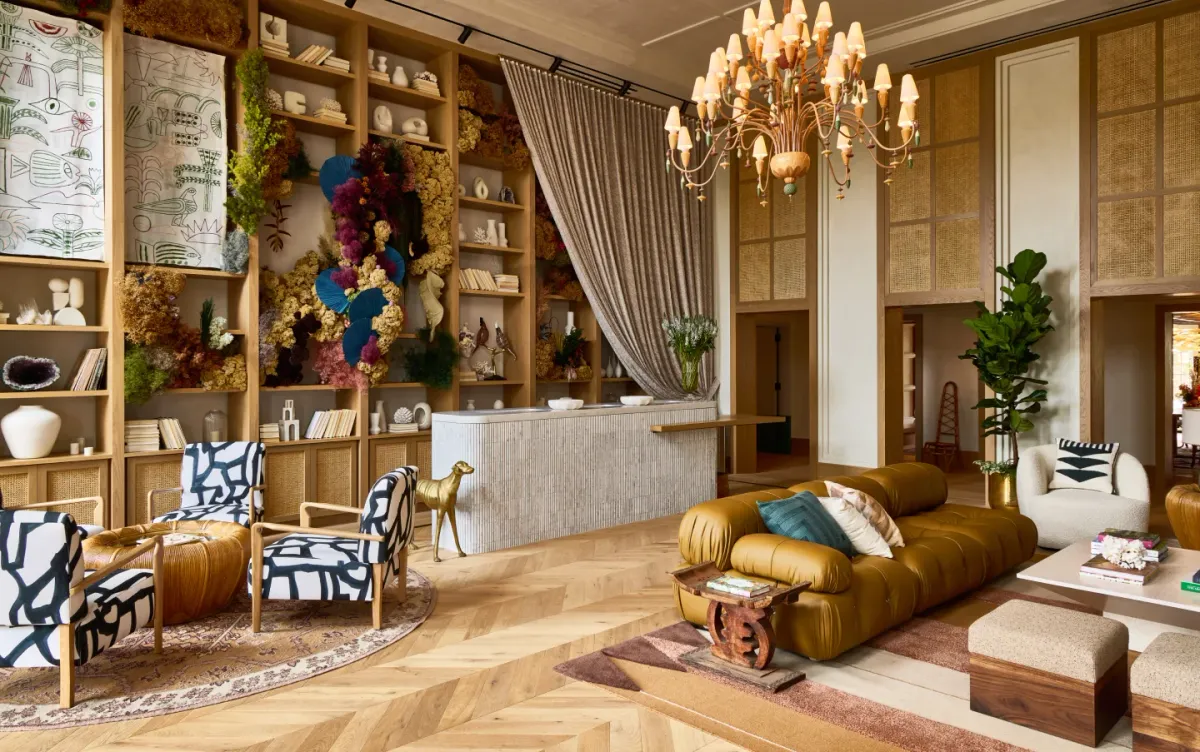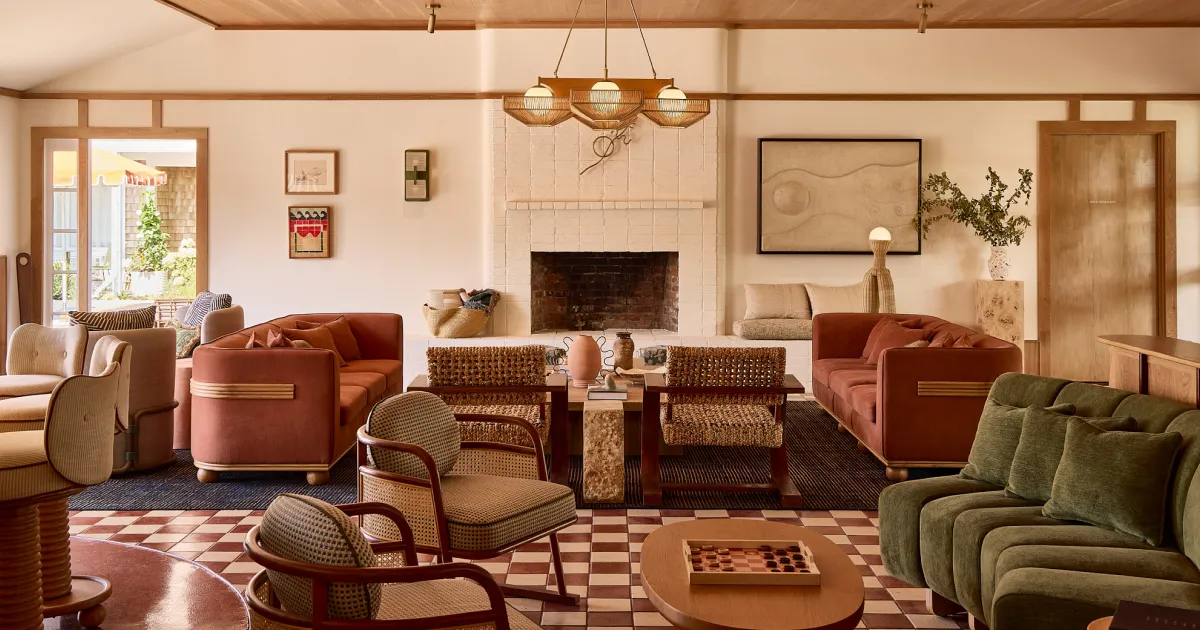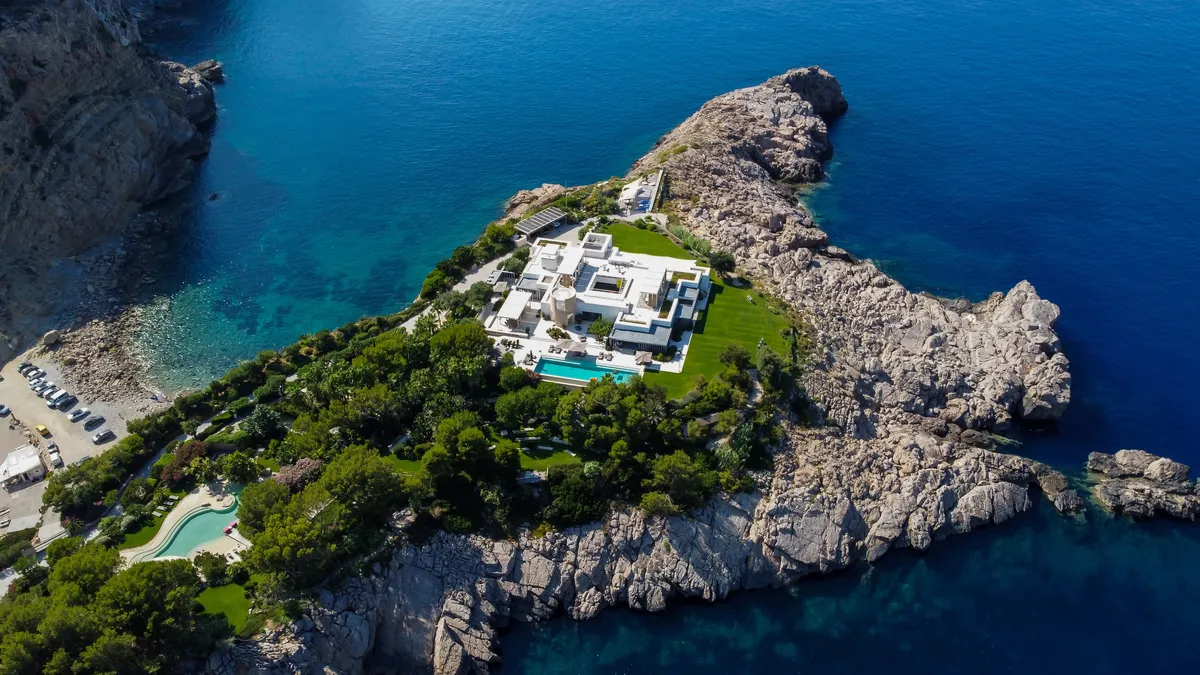


Boutique Hotel Ownership: When Hospitality Becomes a Passion Investment
Boutique hotels occupy a distinctive position within the hospitality industry, combining luxury accommodation with highly curated guest experiences that command premium pricing. For ultra-high-net-worth (UHNW) individuals and families, these properties represent more than commercial real estate—they are trophy assets that unite personal passion with long-term investment potential. Unlike passive hospitality investments or branded real estate funds, owning a boutique hotel requires an active understanding of both property ownership and hotel operations, making it one of the most hands-on lifestyle investments available.
Why Boutique Hotels Stand Apart
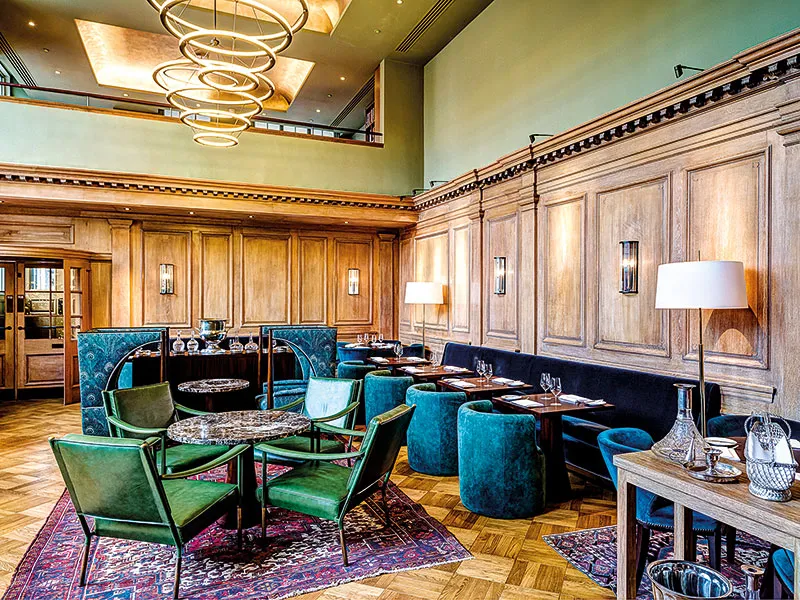
Boutique hotels compete through individuality rather than scale. Their appeal lies in thoughtful design, exceptional service, local authenticity, and highly personalized guest experiences that larger hotel chains often struggle to replicate. This positioning allows successful boutique properties to cultivate strong brand identities, attract affluent travelers, and achieve premium room rates.
For UHNW investors, these assets offer something beyond financial returns. They provide ownership of a business that reflects personal taste, architectural vision, and hospitality philosophy while contributing to a diversified portfolio of tangible assets.
The Nobu Model: Creating Value Through Brand Partnerships
The growth of the Nobu hospitality brand illustrates how strategic partnerships can transform boutique hotel investments. Rather than developing entirely new properties, Nobu has frequently acquired and repositioned heritage buildings in prestigious locations, investing tens of millions of dollars to create luxury hospitality destinations.
Working alongside an established hospitality operator provides immediate advantages through recognized branding, operational expertise, global marketing, and customer loyalty. These partnerships have consistently supported higher occupancy rates and stronger average daily rates (ADR), demonstrating how experienced operators can unlock value that independent ownership alone may struggle to achieve.
For investors, the model highlights that boutique hotel success often depends as much on operational excellence as on the underlying real estate.
Heritage Buildings Create Long-Term Value
Many of Europe's most desirable boutique hotels occupy historic buildings protected by preservation regulations. While these properties introduce additional renovation requirements, planning restrictions, and operational complexities, they also create significant competitive advantages.
Architectural heritage, historical character, and unique design elements become defining aspects of the guest experience, allowing boutique hotels to differentiate themselves within crowded luxury markets. Successfully balancing preservation with modernization requires collaboration among experienced architects, conservation specialists, and hospitality professionals, but the resulting uniqueness often strengthens both brand positioning and long-term asset value.
Success Requires Patience
Boutique hotel ownership should be viewed as a long-term investment rather than a rapid value-creation opportunity. Establishing operational efficiency, building brand recognition, developing guest loyalty, and reaching stabilized financial performance frequently takes several years.
Patient capital is therefore essential. Owners who invest in consistent service quality, thoughtful property improvements, and experienced management teams are typically better positioned to create sustainable value over multiple market cycles.
Hospitality as an Active Business
Unlike many traditional real estate investments, boutique hotels require continuous operational oversight. Decisions surrounding guest experience, staffing, marketing, revenue management, and property maintenance directly influence financial performance and brand reputation.
Whether owners choose to remain actively involved or appoint an experienced management company, boutique hotel ownership demands ongoing strategic engagement. For many UHNW investors, this active participation represents part of the asset's appeal, offering the opportunity to combine entrepreneurial involvement with a lifestyle-driven investment.
Integrating Hospitality Into a Broader Wealth Strategy
Because boutique hotels combine commercial real estate, operating businesses, and legacy assets, they benefit from comprehensive financial planning. Tax considerations, succession planning, liquidity management, and portfolio diversification all play important roles in maximizing long-term value while preserving flexibility for future generations.
At Robertson Stephens Wealth Management, we help UHNW individuals integrate passion investments such as boutique hotels into broader wealth strategies through institutional-grade portfolio construction, family office services, and multi-generational planning. Our collaborative approach supports clients in aligning lifestyle assets with long-term financial objectives while preserving family continuity and legacy.
.webp "ultra-high-net-worth")