

The Billionaire's Field: Why UHNW Landowners Are Rewilding Their Estates
In the evolving landscape of wealth management and environmental stewardship, ultra-high-net-worth (UHNW) individuals and families with extensive landholdings face unique opportunities and challenges. One striking example reshaping conventional notions is the Knepp Estate in England, a pioneering rewilding project that transformed an inherited working farm into a thriving natural habitat, demonstrating compelling ecological and financial outcomes.
Knepp Estate: A Transformative Case Study
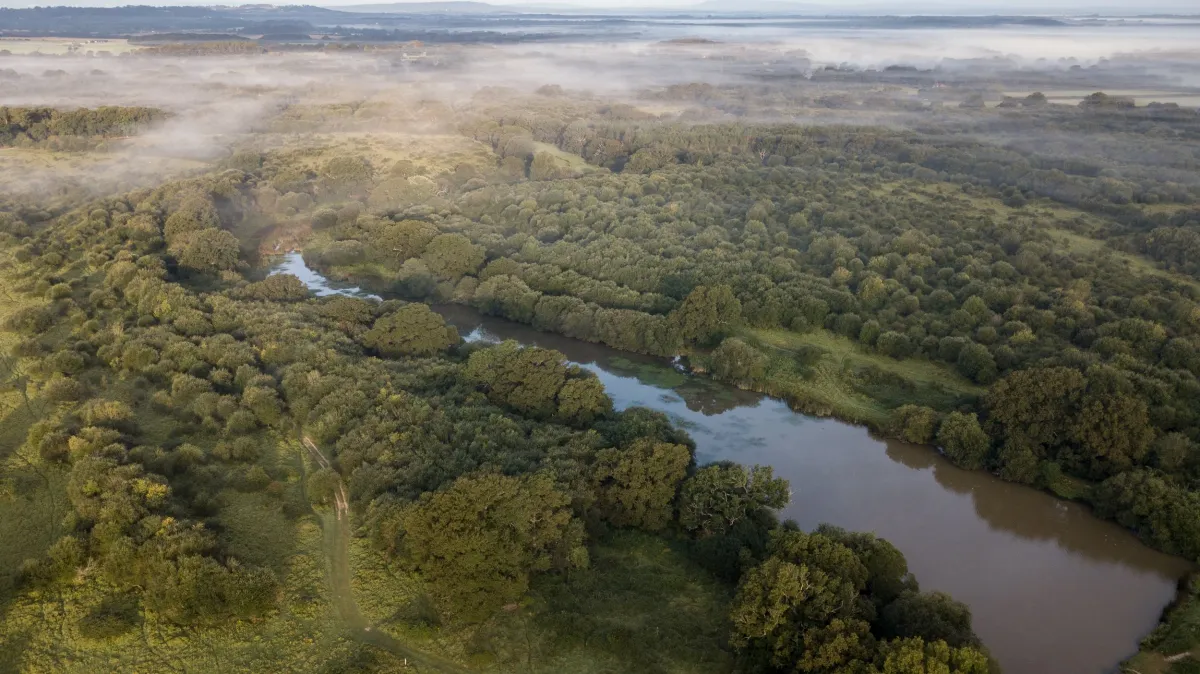
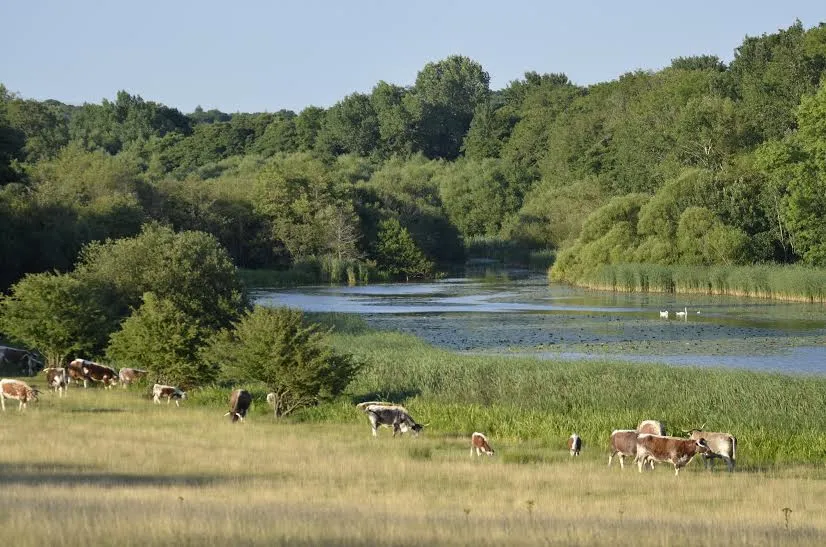
Knepp Estate began as traditional farmland but gradually shifted towards rewilding—a process that restores native ecosystems through minimal human intervention. Rather than pursuing conventional agriculture, the estate allowed nature to reclaim its space, resulting in remarkable biodiversity resurgence. This hands-off approach contrasts sharply with typical land use, offering valuable lessons for private landowners seeking innovative estate management strategies.
Tangible Wildlife Recovery as Proof of Concept
Since initiating rewilding practices, Knepp has witnessed the return of rare species and significant biodiversity gains, including thriving populations of nightingales, purple emperor butterflies, and a diverse range of flora and fauna once considered lost in the region. These natural successes provide concrete evidence that rewilding can restore ecological balance on a meaningful scale, creating a legacy beyond traditional financial returns.
Financial Viability of Rewilding Estates
Beyond environmental benefits, rewilding has proven financially sustainable and, in some cases, superior to conventional farming. Knepp generates diversified income streams such as eco-tourism, guided wildlife safaris, direct sales of wild meat, and participation in stewardship schemes offering payments for conservation efforts. Notably, these combined revenues often exceed the per-hectare income of prior agricultural operations, reshaping assumptions about land use profitability.
Support Networks Empowering Landowner Decisions
For UHNW landowners contemplating similar transitions, structured support is increasingly accessible. Organizations like Rewilding Europe provide expertise, strategic advice, and financial frameworks to facilitate rewilding initiatives. Collaborative networks also help navigate regulatory landscapes, connect with conservation experts, and develop sustainable business models, reducing barriers to entry in this emerging arena.
Addressing the Broader Conservation Context
While individual estate rewilding represents a promising practice, it is not a substitute for comprehensive conservation policies at national or global levels. Success depends heavily on long-term ownership commitment and a consistent management ethos. Recognizing these limits is critical—rewilding should be integrated thoughtfully within broader environmental strategies and estate planning processes.
Rewilding as a Strategic Estate Investment
For UHNW families, rewilding embodies a long-term, impact-driven land use choice that warrants the same analytical rigor as any major investment decision. Considerations include ecological objectives, potential revenue diversification, tax implications, and succession planning. Engaging professional financial advisors with expertise in ultra-high-net-worth family offices and integrated wealth planning can help frame rewilding within a comprehensive estate strategy.
At Robertson Stephens Wealth Management, we understand that optimizing your wealth goes beyond immediate financial returns; it’s about amplifying its impact across generations, health, and legacy. Our comprehensive wealth planning services align your financial resources with your most significant life goals, including innovative land-use decisions like rewilding. By partnering with us, UHNW individuals gain peace of mind through cohesive strategies that integrate investment management, estate planning, and sustainable stewardship, preserving time, freedom, and family continuity in ways that transcend conventional monetary value.

.webp "ultra-high-net-worth")